How Move-Up Families in Corona Sell First and Buy Next Without Losing Momentum
Short answer: There isn’t a single right way — but most move-up families in Corona choose the plan that matches their cash, timeline, and risk tolerance. If you need certainty to buy the next house before your sale closes, a bridge loan, HELOC, or carrying two mortgages can work. If you prefer lower risk and less cash outlay, sell first (with a negotiated rent-back or short move window) then buy. The best choice depends on local market speed, your lender’s options, and how much leverage you want during negotiations.
Why this matters in Corona (market snapshot)
Corona’s market in late summer 2026 is neither a frantic bidding war nor a slow buyer’s market—most homes sell in measured timelines that vary by neighborhood. Over the three months ending August 2026, Redfin reports a median sale price near $786,480 and a citywide median days-on-market around 46 days; Zillow’s August 2026 values place typical home values in the mid-$700,000s. Mortgage costs remain higher than recent years: Freddie Mac’s weekly PMMS 30-year fixed average was 7.03% as of September 24, 2026. Those facts change the math for move-up buyers: higher rates increase monthly payment pressure, and Corona’s normal 4–7 week listing cycles mean you must plan timing carefully.
(Sources listed at the end.)
Your practical sell-and-buy options
1) Sell first, then buy (lower financial risk)
How it works: List your Corona home, close escrow, and then use proceeds to buy your next home. Commonly paired with a negotiated seller rent-back (seller stays after close for an agreed period) or a short-term rental.
Pros: You avoid carrying two mortgages and don’t need short-term bridge financing. Negotiations are cleaner because buyers know you’re not contingent on selling.
Cons: You may need temporary housing if timing doesn’t align; strong buyers prefer quick closings so you may feel pressure on move-out timing.
2) Buy first, then sell (move now; more cash & risk)
How it works: Purchase your next home before your current house closes. This often requires qualifying for a second mortgage (carrying two loans), or using short-term financing.
Pros: More control over choosing the new home; no temporary housing.
Cons: Higher monthly costs, lender underwriting limits, and more complex closing logistics.
3) Short-term bridge options (partial solutions)
Bridge loan: A short-term loan to cover the down payment on the new home until your current home closes. These are designed for 6–12 months and tend to have higher rates and fees. (See NerdWallet for a practical description.)
HELOC or home equity loan: Borrow against equity in your Corona home to fund your purchase. HELOCs are flexible but usually adjustable-rate and carry risks if home values or income change. The Consumer Financial Protection Bureau recommends understanding payment variability and lender terms before using a HELOC as a bridge.
Pros and cons vary by lender, equity position, and how quickly your current home goes to contract and closes.
4) Contingent offers & kick-out clauses
In California, a buyer can submit a purchase offer contingent on the sale of their current home using standard CAR contingency forms. Sellers may accept that with a 72-hour kick-out or other backup-offer protections. This can work in calmer markets but is less attractive to sellers when multiple offers exist.
Step-by-step plan and realistic timeline
Use this checklist as a practical road map for most move-up Corona households.
Week -8 to -6 (Planning): Talk to at least two lenders about options (bridge loan, HELOC, qualifying with two mortgages). Get a clear preapproval showing monthly payment with today’s rates. Collect necessary home prep items to maximize sale proceeds (repairs, staging).
Week -6 to -2 (Market prep): Decide whether to list first or to put offers in on target neighborhoods concurrently. If listing, price competitively—Corona homes often see offers within a few weeks if positioned correctly.
Listing to contract (2–6 weeks): Accept an offer. If you’ve chosen sell-first, negotiate any rent-back or delayed possession terms up front. If you need to buy first, lock financing and coordinate closing windows.
Escrow (30–45 days typical): Standard escrow timelines in California run 30–45 days; plan for appraisal, inspections, and any contingency removal dates. If using a bridge or HELOC, align the payoff to your sale closing date.
Close and move (closing day): Confirm transfers, tax proration, and any local filings required for Riverside County. If using a rent-back, be certain the terms and insurance coverages are in writing.
Small shifts in Corona’s market speed—Redfin’s late-summer 2026 metric shows typical days on market near 46—can change how aggressive you need to be on offers or how long you might rent between homes.
Risks and questions to ask lenders and agents
What is the total cost (interest + fees) of a bridge loan or HELOC? Ask for APR, expected monthly payments, and any balloon payment risks.
How will carrying two mortgages affect my qualifying debt-to-income ratio if rates move before closing?
If I include a home-sale contingency, how long can I reasonably expect the seller to hold the home off market before issuing a kick-out notice?
What happens to my timeline if the appraisal comes in low? (Have cash or lender solutions in place.)
Can the sale of my current Corona home be coordinated to close the same day as the purchase to minimize moving hassles?
Next steps & consultation
If you want a clear plan tailored to your equity, timeline, and neighborhood, schedule a consultation at Heather Jones Homes. We'll review your numbers, coordinate with lenders, and build a timeline that fits your family’s needs. Book a consultation at https://heatherjoneshomes.com/.
Frequently asked questions
Can I buy a Corona house before I sell mine?
Yes—you can buy first, but expect higher monthly costs and a stricter lending review. Short-term financing (bridge loans, HELOCs) or qualifying for two mortgages are typical approaches.
What is a bridge loan and is it common?
A bridge loan is a short-term loan (usually under 12 months) used to cover a down payment or gap while your current home is sold. It’s useful when timing matters, but it usually costs more than a standard mortgage.
How risky is using a HELOC to buy a new home?
HELOCs are flexible and often faster to set up than a bridge loan, but most are adjustable-rate and reduce your home equity. The Consumer Financial Protection Bureau recommends understanding payment variability and having a repayment plan before using a HELOC as bridge financing.
How do home-sale contingencies work in California?
California buyers can add a contingency that their purchase depends on selling their current property. Sellers often accept with a kick-out clause or limited contingency period. Standard CAR forms (Contingency for Sale of Buyer’s Property) set the mechanics and timelines.
How long will the whole sell-and-buy process take in Corona?
Expect 6–12 weeks from listing to final move for a sell-first plan if the home prices and market activity are average; escrow itself typically runs 30–45 days. Corona’s recent metrics (late summer 2026) show median days-on-market in the 40s, which should inform your planning.
Related Articles
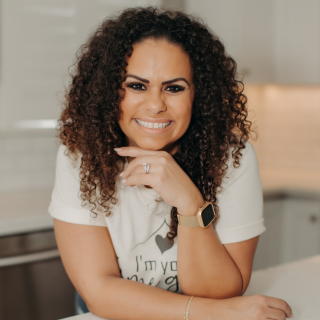
Heather Jones is a Corona, CA Realtor and digital listing specialist who helps homeowners sell their homes for top dollar and move into their next home with a clear, strategic plan. She specializes in working with growing families who are ready to move up from their first home into something that better fits their lifestyle. Known for her strong marketing and hands-on guidance, Heather helps her clients navigate every step of the process with confidence.
Heather Jones, Realtor, Digital Listing Specialist, Community Market Leader
Brokered by eXp Realty of California
DRE #02067219
661.607.6832


