
How Much Do You Need to Buy a Home in Corona, CA?
How Much Do You Need to Buy a Home in Corona, CA?
Do You Need 20% Down to Buy a Home in Corona?
What Does a Down Payment Look Like on a Corona Home?
What Other Costs Should Corona Home Buyers Plan For?
How Much Are Closing Costs When Buying a Home in Corona?
Can a Seller Help Pay a Buyer's Closing Costs?
Can Seller Credits Be Used for an Interest Rate Buydown?
What About Down Payment Assistance Programs?
Should You Wait Until You Have 20% Saved?
How Do I Know What I Can Afford in Corona?
Don't Forget About the Costs After You Buy
So, How Much Do You Really Need to Buy a Home in Corona?
Frequently Asked Questions About Buying a Home in Corona, CA
Do I need 20% down to buy a house in Corona, CA?
Can I buy a home in Corona with 3% down?
How much is a down payment on an $800,000 house?
What closing costs do home buyers pay in California?
Can I ask the seller to pay my closing costs?
Do I need extra savings after my down payment?
Should I get pre-approved before looking at homes in Corona?
Can first-time home buyers get down payment assistance in California?
Thinking About Buying a Home in Corona?
If you're thinking about buying a home in Corona, one of your first questions is probably:
“How much do I actually need to buy a house?”
A lot of buyers assume the answer is 20% down.
That's one of the biggest misconceptions I hear.
Depending on your loan program and qualifications, you may be able to purchase a home with much less than 20% down.
But your down payment isn't the only cost you need to plan for.
There may also be closing costs, inspections, an appraisal, your earnest money deposit and other expenses along the way.
So instead of focusing on one big number, let's break down the different costs you should be thinking about when preparing to buy a home in Corona, CA.
How much do you need to buy a home in Corona, CA? The amount depends on the home's price, your loan program, down payment, closing costs and other purchase expenses. You don't necessarily need 20% down. Some qualified buyers may have financing options requiring 3% or 3.5% down, while eligible VA buyers may have zero-down options.
Do You Need 20% Down to Buy a Home in Corona?
No.
You do not automatically need a 20% down payment to purchase a home.
There are several types of home loans available, and the minimum down payment can vary depending on the loan program and your qualifications.
Some conventional loan programs may allow qualified buyers to purchase with as little as 3% down.
FHA loans may allow qualified buyers to put 3.5% down.
Eligible VA borrowers may have a zero-down-payment option.
There are also programs that may provide down payment or closing cost assistance to qualified buyers.
The important thing is not to assume you aren't ready to buy simply because you haven't saved 20%.
A good lender can look at your income, credit, debt, available funds and goals to help determine which financing options may be available to you.
What Does a Down Payment Look Like on a Corona Home?
Let's use a hypothetical $800,000 home simply to make the numbers easy to understand.
A down payment could look something like this:
3% down: $24,000
3.5% down: $28,000
5% down: $40,000
10% down: $80,000
20% down: $160,000
These examples are for illustration only and don't include closing costs or other expenses associated with purchasing a home.
The loan programs available to you will also depend on factors such as the property's price, loan limits, your qualifications and occupancy.
But this shows why saying, “You need 20% down to buy a house,” doesn't tell the whole story.
There can be a very big difference between what buyers think they need and what they may actually need based on their financing.
What Other Costs Should Corona Home Buyers Plan For?
Your down payment is only one piece of your home-buying budget.
There are several other costs that may come up before and during escrow.
Earnest Money Deposit
After your offer is accepted, you'll typically submit an earnest money deposit into escrow according to the terms of your purchase agreement.
This isn't normally an extra charge added on top of your purchase price.
The deposit is generally credited toward the funds you're required to bring to closing, assuming the transaction closes as agreed.
The amount and timing will depend on your purchase contract.
Home Inspection
I strongly recommend that buyers understand the condition of the home they're purchasing.
A general home inspection can help identify issues involving the home's major systems and components.
Depending on the property, buyers may also choose additional inspections.
Those could include roof, sewer, chimney, pool, HVAC, pest or other specialized inspections.
The inspections that make sense will depend on the particular home.
Appraisal
If you're financing your purchase, your lender may require an appraisal.
The appraisal provides the lender with an independent opinion of the property's value and is different from a home inspection.
Closing Costs
Buyers should also plan for closing costs.
These can include lender charges, escrow and title-related costs, prepaid items, insurance and other expenses associated with your particular transaction.
Your lender should provide an estimate based on your loan so you can see what these costs may look like before you're deep into the home search.
How Much Are Closing Costs When Buying a Home in Corona?
There isn't one percentage that will be accurate for every Corona buyer.
Closing costs can vary based on your loan, purchase price, lender, insurance, prepaid items and how the transaction is structured.
This is why I prefer buyers get an actual estimate from their lender instead of using a generic online percentage.
When we're getting serious about writing an offer, I want you to understand more than the purchase price.
I want you to know approximately:
How much will I need at closing?
What will my monthly payment look like?
What expenses should I expect during escrow?
Those numbers are much more useful than simply knowing the asking price of the house.
Can a Seller Help Pay a Buyer's Closing Costs?
Potentially, yes.
Depending on the loan program and transaction, we may be able to negotiate a seller concession that can be applied toward certain allowable buyer costs.
This is one reason I tell buyers that negotiating a home purchase isn't always about getting the seller to dramatically reduce the price.
Sometimes a buyer may benefit more from negotiating help with allowable closing costs or financing-related expenses.
This is also why I remind buyers that there are still opportunities for home buyers in today's market, even when home prices remain high.
For example, if keeping more cash available after closing is important to you, we may look at whether asking for a seller credit makes sense.
This is something your lender and I can evaluate with you before we structure the offer.
Can Seller Credits Be Used for an Interest Rate Buydown?
Depending on your loan program and lender guidelines, seller concessions may potentially be used toward an eligible interest rate buydown.
This is worth discussing because buyers sometimes become completely focused on negotiating the purchase price.
But a lower purchase price isn't always the only way to improve the financial side of a transaction.
Your lender can show you how different scenarios affect your estimated payment and funds needed to close.
Then we can decide which terms make the most sense to negotiate.
What About Down Payment Assistance Programs?
Some buyers may qualify for programs designed to help with a down payment or closing costs.
These programs can have specific requirements involving income, credit, occupancy, purchase price, location and other qualifications.
They can also change over time.
If you're interested in assistance programs, I recommend talking with a lender who regularly works with them rather than assuming you qualify or don't qualify based on something you saw online.
Should You Wait Until You Have 20% Saved?
Not necessarily.
Putting 20% down can have benefits, but that doesn't automatically make it the best decision for every buyer.
You need to look at your full financial picture.
For example, would putting 20% down leave you with very little savings after closing?
Would a smaller down payment allow you to maintain an emergency fund?
How would different down payments affect your monthly payment?
Would mortgage insurance apply?
How long would it take you to save the additional amount?
And what could happen with home prices and interest rates while you're waiting?
If timing is part of your decision, I also break down whether now is a good time to buy a home in Corona, CA and the factors buyers should consider before deciding whether to buy now or wait.
These are questions worth answering before deciding that you need to hit an arbitrary savings number before you can even consider buying.
How Do I Know What I Can Afford in Corona?
This is where I recommend starting before falling in love with houses online.
Talk with a lender and establish a comfortable monthly housing budget.
Notice I said comfortable, not simply the maximum amount you're approved to borrow.
Those aren't necessarily the same thing.
Once we understand your financing and the payment range you're comfortable with, I can help you see what homes are actually available within that range in Corona.
Price is only one part of choosing where to buy, so if you're newer to the area, I also put together a complete guide covering what families should know before moving to Corona, CA.
Then we can adjust the home search based on your priorities.
Maybe that means a different neighborhood.
Maybe you prioritize square footage over upgrades.
Maybe you want a smaller home with a larger yard.
And if you're considering nearby communities too, my Eastvale vs. Corona comparison for home buyers can help you understand some of the differences between the two markets.
Maybe you're willing to consider a property that's been sitting longer because there could be more room to negotiate.
That's when the search becomes much more strategic.
Don't Forget About the Costs After You Buy
I also encourage buyers not to spend every available dollar getting into the house.
Homeownership comes with ongoing expenses.
Depending on the property, those can include:
Property taxes
Homeowners insurance
HOA dues
Utilities
Maintenance
Repairs
Landscaping
Pool maintenance
Future improvements
Some Corona properties may also have special assessments or other property-specific costs.
That's why we look at the whole cost of owning the home, not simply whether you can cover the down payment.
So, How Much Do You Really Need to Buy a Home in Corona?
There isn't one number that works for everyone.
You need enough for your required down payment, closing expenses and transaction-related costs based on your particular financing and purchase.
But you may not need the 20% down payment you thought you did.
And depending on the home and current seller motivation, there may also be opportunities to negotiate terms that reduce some of your upfront expenses.
The best first step isn't waiting until you think you've saved enough.
It's finding out what the numbers actually look like for you.
Once we know that, we can determine whether you're ready now, need a few months to prepare or should build a longer-term plan.
Frequently Asked Questions About Buying a Home in Corona, CA
Do I need 20% down to buy a house in Corona, CA?
No. Some qualified buyers may have conventional financing options requiring less than 20% down, while FHA and eligible VA financing can offer other down payment options. Your eligibility depends on your individual financial situation and loan program.
Can I buy a home in Corona with 3% down?
Some conventional loan programs may allow qualified buyers to purchase with as little as 3% down. However, eligibility, loan limits and property requirements apply. A lender can determine whether this type of financing is available for your purchase.
How much is a down payment on an $800,000 house?
A 3% down payment would be $24,000, 5% would be $40,000, 10% would be $80,000 and 20% would be $160,000. These figures don't include closing costs and other home-buying expenses.
What closing costs do home buyers pay in California?
Buyer closing costs can include lender fees, escrow and title-related charges, prepaid taxes or insurance, appraisal costs and other transaction expenses. The exact amount depends on your financing and purchase.
Can I ask the seller to pay my closing costs?
Depending on your loan program and the transaction, you may be able to negotiate a seller concession toward certain allowable buyer costs. The amount a seller can contribute may be limited by loan guidelines.
Do I need extra savings after my down payment?
It's a good idea to plan beyond your down payment. Buyers may have inspection and appraisal expenses during escrow as well as moving costs, repairs, maintenance and other expenses after becoming homeowners.
Should I get pre-approved before looking at homes in Corona?
Getting pre-approved before seriously shopping for homes can help you understand your financing options, estimated payment and price range. It also allows us to structure a stronger offer when you find the right property.
Can first-time home buyers get down payment assistance in California?
There may be assistance programs available to qualified California buyers. Programs and requirements change, so it's important to speak with a lender familiar with current options and eligibility requirements.
Thinking About Buying a Home in Corona?
If you're wondering whether you have enough saved to buy a home in Corona, don't let the 20% down payment myth stop you from finding out what's actually possible.
The first step doesn't have to be making an offer.
It can simply be understanding your numbers.
I can help you look at the Corona market, connect your price range with the homes that are actually available and build a buying strategy around your goals.
And if you're not quite ready yet, that's okay too. Having a clear plan gives you something specific to work toward instead of guessing.
Related Articles
Are There Still Deals for Home Buyers?
Living in Corona, CA: What Families Need to Know Before Moving
Eastvale vs. Corona: Which Is Better for Your Family?
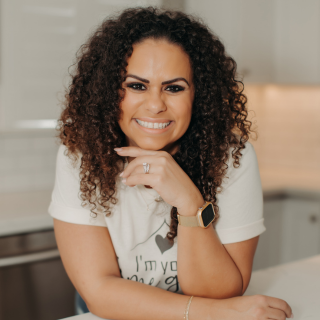
Heather Jones is a Corona, CA Realtor and digital listing specialist who helps homeowners sell their homes for top dollar and move into their next home with a clear, strategic plan. She specializes in working with growing families who are ready to move up from their first home into something that better fits their lifestyle. Known for her strong marketing and hands-on guidance, Heather helps her clients navigate every step of the process with confidence.
Heather Jones, Realtor®
Digital Listing Specialist | Master Certified Negotiation Expert
Heather Jones Homes | Brokered by eXp Realty of California, Inc.
DRE #02067219


