
How to Move Up in Corona: Buy Your Next Home While You Sell
Short answer: You can move up in Corona without losing your target home, but you need a written plan that matches the local market rhythm: pick a financing path that fits your equity and risk tolerance (HELOC, bridge loan, or sale-contingent offer), use short, documented rent-back options when necessary, and align listing and closing timelines so one transaction doesn’t derail the other.
Corona market snapshot (Oct 2026)
Before you decide how to sequence a sale and purchase, check the local reality. Recent market measurements show Corona’s median closed sale price in the high $700,000s and a market where homes can take several weeks to sell — days-on-market figures vary by neighborhood but often fall between roughly 40–60 days depending on price band and zip code. Use these local signals when you pick a timeline and offer strategy. ([redfin.com](https://www.redfin.com/city/4249/CA/Corona/housing-market?utm_source=openai))
Decide how you’ll finance the gap
HELOC vs. bridge loan: when each makes sense
If you have equity and want flexibility, a HELOC can be the least expensive way to fund a down payment — it’s a revolving line secured by your home with a draw period followed by repayment, often with variable rates. But lenders can tighten or freeze access, and many HELOCs require you to open the line while you still own the home (before it’s under contract). The Consumer Financial Protection Bureau explains the key features and risks to compare when you shop. ([consumerfinance.gov](https://www.consumerfinance.gov/ask-cfpb/what-is-a-home-equity-line-of-credit-heloc-en-107/?utm_source=openai))
Bridge loans are short-term, lump-sum loans designed specifically to “bridge” the gap between buying your replacement property and selling your current home. They close quickly and can make your offer look cash-strong, but they carry higher rates, fees, and sometimes origination costs — treat them as temporary, costed solutions and compare true net costs before you commit. ([alignlending.com](https://alignlending.com/learn/bridge-loans/?utm_source=openai))
How to choose
Open a HELOC if you can qualify and set it up before listing; it’s usually cheaper and flexible.
Consider a bridge loan if you must close on your new home before your old one sells and you need a guaranteed lump sum now.
Ask lenders how each product affects loan qualifying for the new mortgage — lenders count short-term debt and monthly bridge payments when they underwrite. Get quotes and a Loan Estimate so you can compare APR, fees, and repayment triggers.
Offer options: contingent vs. non-contingent
There are three common approaches for move-up buyers:
Buy first (no sale contingency) using equity, HELOC, or bridge financing so your offer is non-contingent and more attractive to sellers.
Make your purchase offer contingent on the sale of your current home (home-sale contingency). This reduces your risk but can be less competitive in markets where sellers prefer certainty.
Sell first, then buy — the most conservative approach for cash flow and risk but requires temporary housing plans if timing doesn’t align.
California allows home-sale contingencies and CAR provides standard contingency forms, but sellers often prefer non-contingent offers. If you must use a sale contingency, be ready for kick-out clauses and shorter removal windows — it’s common for sellers to keep marketing and accept backup offers. Tailor your contingency with clear deadlines, proof-of-listing or escrow, and realistic removal periods. ([redfin.com](https://www.redfin.com/blog/how-often-do-contingent-offers-fall-through/?msockid=2acf4201f12f604526c05470f0516166&utm_source=openai))
Occupancy and rent-back basics
If you buy before your current home is vacant, a written post-closing occupancy agreement (commonly called a seller rent-back) can solve short-term timing gaps. California has standard CAR forms for short seller-remaining-in-possession terms (SIP) and longer lease-after-sale forms; the agreement should state the daily rent, security deposit, liability for damage, utilities, and the exact move-out date. Keep rent-backs short, confirm lender approval, and document insurance & liability changes so neither party takes unexpected risk. ([austincriss.com](https://austincriss.com/rent-back-agreement-california/?utm_source=openai))
A practical timing plan for buy-and-sell
Use a conservative calendar and build buffers for inspections, appraisals and lender conditions. Here’s a realistic timing template you can adapt for Corona:
Week 0: Meet your agent and lender — get pre-approved and estimate net proceeds from a sale.
Weeks 1–2: Prepare your home to list (repairs, photos, pricing) while you shop for your next place.
Weeks 3–6: List your home. Typical local buyer activity and the price range you’re targeting will determine how fast you receive offers — plan on 4–8 weeks of active marketing in many price bands.
If you must buy first: secure HELOC/bridge loan approval in parallel and add a brief rent-back (SIP) or short-term rental clause if you need to remain after closing.
If you’ll include a sale contingency: limit contingency removal windows and include proof-of-listing/escrow to reassure the seller.
7-step move-up checklist for Corona homeowners
Get a solid net-proceeds estimate for your current home and a clear pre-approval for your target purchase amount. (Use the numbers when choosing between HELOC, bridge, or contingency.)
Compare lenders: ask for Loan Estimates for any bridge or HELOC product and confirm how the short-term debt affects qualification for the replacement mortgage.
Decide your priority: timing (buy-first), certainty (sell-first), or cost (sell-first/HELOC). Let your agent model the financial tradeoffs.
Build a fallback plan for temporary housing (rental, family stay, or short-term furnished rental) in case timelines slip.
If buying first, get a written post-closing occupancy agreement reviewed by escrow and your lender (short SIPs are common in California).
If including a home-sale contingency, add a reasonable kick-out period and confirm seller permission for continued marketing to manage the risk of backup offers.
Keep communication tight with your listing agent, buyer’s agent (if you’re buying), lender and escrow — small timing mismatches are the usual cause of stress, and most are avoidable with proactive coordination.
For more detail on how much you may need to buy a new home in Corona and how to structure offers, see these neighborhood- and loan-specific guides on this site: How Much Do You Need to Buy a Home in Corona, CA? and What Can You Negotiate When Buying a Home in Corona, CA?
Frequently asked questions
Can I make an offer on a new home before my Corona house is sold?
Yes — if you secure financing that bridges the gap (HELOC or bridge loan) or if the seller accepts a sale-contingent offer. Each path carries trade-offs in cost and competitiveness; use pre-approval and clear timelines to protect yourself.
How expensive is a bridge loan compared with a HELOC?
Bridge loans usually cost more in interest and fees than HELOCs but provide a lump-sum and faster closing. HELOCs are typically cheaper and more flexible if you can open the line before listing. Get Loan Estimates for both to compare true costs. ([alignlending.com](https://alignlending.com/learn/bridge-loans/?utm_source=openai))
Will sellers in Corona accept a home-sale contingency?
They will, but contingent offers are generally less attractive than non-contingent offers. Sellers commonly prefer offers that reduce uncertainty; if you need a contingency, be prepared for shorter removal windows and possible kick-out clauses. ([redfin.com](https://www.redfin.com/blog/how-often-do-contingent-offers-fall-through/?msockid=2acf4201f12f604526c05470f0516166&utm_source=openai))
What is a rent-back and is it safe for buyers?
A rent-back (seller remaining in possession after closing) is a written addendum in California that sets daily rent, deposit, utilities, and move-out terms. It solves short timing gaps but should be short, documented, and approved by the lender to manage risk. ([austincriss.com](https://austincriss.com/rent-back-agreement-california/?utm_source=openai))
Which should I choose: sell first, buy first, or a contingency?
Choose based on your cash flow, tolerance for carrying two mortgages temporarily, local market speed, and personal logistics. Sell-first minimizes financial risk; buy-first (with bridge/HELOC) increases your offer strength but costs more; a contingency reduces out-of-pocket risk but can limit your options in competitive listings.
If you’d like a move-up plan that fits Corona’s neighborhoods, taxes, and common closing timelines, schedule a consultation and I’ll help you run the numbers and align the sale and purchase so your family moves with minimal stress: Schedule a consultation with Heather Jones Homes.
Related Articles
Relocating to Corona: A Practical Buyer’s Guide for Out-of-Area Homebuyers
How to Choose the Best Offer When Selling Your Corona Home (Oct 2026)
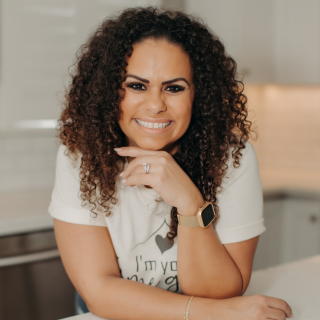
Heather Jones is a Corona, CA Realtor and digital listing specialist who helps homeowners sell their homes for top dollar and move into their next home with a clear, strategic plan. She specializes in working with growing families who are ready to move up from their first home into something that better fits their lifestyle. Known for her strong marketing and hands-on guidance, Heather helps her clients navigate every step of the process with confidence.
Heather Jones, Realtor, Digital Listing Specialist, Community Market Leader
Brokered by eXp Realty of California
DRE #02067219
661.607.6832


