
What Can You Negotiate When Buying a Home in Corona, CA?
What Can You Negotiate When Buying a Home in Corona, CA?
Can You Negotiate the Purchase Price of a Home?
Can Buyers Ask for Seller Credits?
Can You Negotiate Closing Costs?
Can You Ask a Seller to Help Buy Down Your Interest Rate?
Can You Ask for a Credit Instead of Repairs?
Can Appliances or Other Items Be Negotiated?
Can You Negotiate the Closing Date?
Can You Negotiate Possession of the Home?
What Gives a Buyer More Negotiating Power?
Should You Always Offer Below Asking Price?
Should You Negotiate Price or Seller Credits?
Does the Corona Housing Market Affect What You Can Negotiate?
How I Negotiate for My Corona Buyers
The Bottom Line: Almost Everything Comes Back to the Specific Deal
Frequently Asked Questions About Negotiating When Buying a Home in Corona, CA
Can you offer less than asking price on a home in Corona?
Can buyers ask sellers to pay closing costs in California?
Can a buyer ask a seller to pay for repairs?
Can seller credits be used to lower my interest rate?
Is it better to ask for a lower price or closing cost credit?
Are homes that have been on the market longer easier to negotiate?
Can you negotiate appliances when buying a home?
What gives a buyer the most negotiating power?
Thinking About Buying a Home in Corona?
When most buyers think about negotiating on a home, they immediately think about one thing:
The purchase price.
“How much under asking can we offer?”
And yes, price is absolutely something we can negotiate.
But it's only one part of the deal.
Depending on the property, the seller, your financing and what's happening in the Corona real estate market, there may be several other terms worth negotiating.
Sometimes getting $10,000 off the purchase price is the goal.
Other times, getting a seller credit toward allowable closing costs, negotiating repairs or structuring the right financing concession could potentially be more valuable to you.
That's why I don't want my buyers focused only on getting the lowest possible price.
I want to look at the entire transaction and figure out where we may have leverage.
What can you negotiate when buying a home in Corona, CA? Depending on the transaction, buyers may be able to negotiate the purchase price, seller credits toward allowable costs, repairs, certain financing concessions, closing timelines, included personal property and other terms. What makes sense depends on the individual home and seller.
Can You Negotiate the Purchase Price of a Home?
Yes.
The asking price is what the seller would like to receive. It doesn't necessarily mean that's exactly what the home will sell for.
But before deciding what to offer, I want to understand what's happening with that specific property.
I'll look at things like:
How long the home has been on the market
Recent comparable sales
Current competing listings
Previous price reductions
Property condition
Whether the home has previously fallen out of escrow
How much buyer activity the property appears to be receiving
Whether there are other offers
Any seller circumstances we're able to learn
A home that came on the market yesterday and already has multiple interested buyers is a very different negotiation from a home that's been sitting for 50 days and has already had two price reductions.
This is why I recently broke down where buyers can still find opportunities in today's real estate market and why I pay attention to much more than just the newest listings.
Can Buyers Ask for Seller Credits?
Depending on your financing and the transaction, yes.
A seller credit or seller concession may allow the seller to contribute toward certain allowable buyer costs.
This can be especially valuable for buyers who would rather keep more of their available cash after purchasing the home.
For example, you may have enough saved for your down payment but still need to account for closing costs and other expenses associated with buying.
If you're still figuring out what that complete financial picture looks like, start with my guide explaining how much you may need to buy a home in Corona, CA.
Your lender can tell you how much seller contribution may be permitted under your particular loan program and how those funds may be used.
Then we can decide whether asking for a credit makes sense as part of your offer.
Can You Negotiate Closing Costs?
Potentially.
This usually ties into the seller-credit conversation.
Instead of asking a seller only to reduce the purchase price, we may look at whether negotiating a contribution toward allowable closing costs would provide a greater benefit to you.
Why?
Because a relatively small reduction in purchase price may not dramatically change your monthly payment.
But receiving assistance toward allowable costs could potentially reduce the amount you need to bring to closing.
That can matter to a buyer who wants to preserve more cash for moving, repairs, furniture or simply maintaining a healthy savings cushion after purchasing the home.
This is one of those situations where I want your lender involved in the conversation.
We can compare the options before deciding which one gives you the better outcome.
Can You Ask a Seller to Help Buy Down Your Interest Rate?
Depending on your financing and lender guidelines, seller concessions may potentially be used toward an eligible interest-rate buydown.
This is another reason I don't want buyers automatically assuming:
“Getting the price down is always the best deal.”
It may be.
But we should run the numbers.
If a seller is willing to provide a concession, your lender can show you what different financing scenarios may look like and how they could affect your payment and funds needed to close.
Then you can make an informed decision about what matters more to you.
Can Buyers Negotiate Repairs?
Yes, repairs can potentially become part of the negotiation.
After your inspections and investigations, you may discover issues that weren't obvious when you first toured the property.
Depending on the situation and your contract, there may be an opportunity to request that the seller make certain repairs or provide another negotiated solution.
But this is another area where strategy matters.
Not every item in an inspection report needs to become a battle.
Homes aren't perfect.
Even newer homes can have items that need attention.
I want to help you separate:
What is a significant concern?
from
What is normal home maintenance?
Then we can decide what makes sense to address with the seller based on the property, the market and the terms of your transaction.
Can You Ask for a Credit Instead of Repairs?
Potentially, depending on the situation and your financing.
Sometimes a buyer would rather have control over how a repair is completed instead of asking the seller to handle it before closing.
In those situations, we may discuss whether another negotiated solution makes more sense.
There can be loan and appraisal requirements that affect how certain property conditions must be handled, so this isn't something we decide in a vacuum.
The goal is to find a solution that works within the transaction and protects your interests.
Can Appliances or Other Items Be Negotiated?
Sometimes.
Depending on what's included or excluded from the sale, buyers and sellers may negotiate certain items.
For example, buyers sometimes ask about:
Refrigerators
Washers and dryers
Certain outdoor items
Other personal property
But don't assume something comes with the house just because you saw it during the showing.
What's included in the sale should be clearly addressed in the purchase agreement.
And I generally don't recommend risking an otherwise strong home purchase over an appliance unless that item is genuinely important to you.
We need to keep the bigger picture in mind.
Can You Negotiate the Closing Date?
Absolutely.
And this is where buyers sometimes have negotiating power without spending another dollar.
Price isn't always the seller's only priority.
Maybe the seller has already purchased another home and wants to close quickly.
Maybe they're waiting for their next home to be completed.
Maybe they need extra time before moving.
Maybe they have a very specific timeline they're trying to meet.
If we can understand what matters to the seller, we may be able to structure an offer that solves a problem for them.
A buyer offering the highest price doesn't automatically have the strongest offer.
Terms matter too.
Can You Negotiate Possession of the Home?
Possession and occupancy can also be part of the transaction.
Some sellers may need time after closing before they can completely move out, while many buyers want possession as soon as possible.
If a seller needs additional time, the parties may potentially negotiate an arrangement that addresses possession after closing.
These situations need to be handled carefully and documented correctly.
But strategically, flexibility can sometimes strengthen a buyer's offer without simply increasing the purchase price.
What Gives a Buyer More Negotiating Power?
This is one of my favorite questions because the answer usually isn't:
“Wait for the whole market to crash.”
Negotiating leverage can exist on individual properties even when the overall market isn't considered a buyer's market.
I start paying closer attention when I see things like:
Longer days on market
One or more price reductions
A home returning to the market after falling out of escrow
A vacant property
Limited showing activity
Few competing offers
Property condition issues
A seller with a specific timeline
A listing that's simply been overlooked
This is also why understanding days on market matters.
The seller of a beautiful new listing that received five offers during the first weekend probably isn't thinking about concessions the same way as a seller who's been waiting 60 days for an offer.
Same city.
Same general market.
Completely different negotiation.
Should You Always Offer Below Asking Price?
No.
This is where strategy beats having one rule for every house.
Offering below asking may make perfect sense on one property.
On another, it could cost you the house.
If a home is priced correctly, just hit the market and has strong buyer interest, submitting an aggressive low offer may not put you in a strong position.
On the other hand, if a property has been sitting for weeks, has reduced its price and isn't receiving much activity, we may approach the negotiation differently.
The goal isn't to be able to say:
“We got the seller down $25,000.”
The goal is to get you the right home with the strongest price and terms we reasonably can based on the circumstances.
Should You Negotiate Price or Seller Credits?
It depends on what helps you most.
Before we write an offer, I want to understand your priorities.
Do you want to reduce the amount you need at closing?
Are you most concerned about your monthly payment?
Do you have plenty saved but want the strongest purchase price possible?
Are there repairs you're concerned about?
Would flexibility with the closing date matter?
Those answers help determine what we should prioritize.
This is also why knowing your budget before shopping is so important. If you're still working through the financial side, my guide on how much you need to buy a home in Corona explains the down payment and other expenses buyers should prepare for.
Does the Corona Housing Market Affect What You Can Negotiate?
Absolutely.
Negotiation doesn't happen in a bubble.
We have to look at what's happening in Corona and, even more importantly, what's happening with homes similar to the one you want to purchase.
Buyers in Corona can encounter very different situations depending on the neighborhood, price range and property.
Some homes may receive immediate attention.
Others may sit.
That's one reason understanding the area before buying matters too. If you're still researching the city itself, I've put together a full guide covering what families should know before moving to Corona, CA, including housing, lifestyle, commuting and costs.
And if you're still narrowing down where within Corona you'd like to live, you can also compare some of the best neighborhoods in Corona for families before focusing your home search.
The more we know about your preferred area and the specific segment of the market you're shopping in, the better we can determine where there may be room to negotiate.
How I Negotiate for My Corona Buyers
My job isn't simply to write whatever offer amount you tell me.
I want to understand the whole transaction.
Before we decide how to approach a property, I want to know:
What's the home actually worth based on the available data?
How long has it been listed?
Has the price changed?
Is there competition?
What's the property's condition?
What matters most to you?
What might matter most to the seller?
And where could we potentially create an offer that works in your favor?
Sometimes that's price.
Sometimes it's a seller credit.
Sometimes it's repairs.
Sometimes it's timing.
And sometimes the strongest strategy is knowing when not to push for something that could cost you the home.
Negotiation isn't about asking for everything.
It's about knowing what to ask for, when to ask for it and what actually matters.
The Bottom Line: Almost Everything Comes Back to the Specific Deal
So, what can you negotiate when buying a home in Corona?
Potentially quite a bit.
But that doesn't mean every seller will agree to every request.
The opportunity depends on the home, seller, financing, competition and current market.
That's why I don't believe in approaching every property with the exact same offer strategy.
The house that's been sitting for 60 days deserves a different conversation from the house that received multiple offers its first weekend.
And the buyer who needs help with closing costs may need a different negotiation strategy than the buyer who's primarily focused on purchase price.
The best negotiation isn't necessarily the one where you get the biggest discount.
It's the one that creates the strongest overall outcome for your specific purchase.
Frequently Asked Questions About Negotiating When Buying a Home in Corona, CA
Can you offer less than asking price on a home in Corona?
Yes. Buyers can offer below the asking price, but whether it makes sense depends on the property's value, days on market, competition, condition and seller circumstances. A below-asking offer isn't automatically a good strategy for every property.
Can buyers ask sellers to pay closing costs in California?
Depending on the transaction and loan program, a buyer may be able to negotiate seller concessions toward certain allowable costs. Your lender should confirm the contribution limits and eligible uses for your financing.
Can a buyer ask a seller to pay for repairs?
Buyers may potentially request repairs or another negotiated solution after completing their inspections and investigations, subject to the terms of the purchase agreement. The seller isn't automatically required to agree to every request.
Can seller credits be used to lower my interest rate?
Depending on your loan program and lender guidelines, eligible seller concessions may potentially be applied toward an interest-rate buydown. Your lender can explain the options and calculate how they could affect your payment.
Is it better to ask for a lower price or closing cost credit?
It depends on your finances and goals. A lower purchase price and a seller credit affect a transaction differently. Comparing both scenarios with your lender can help determine which option may provide the greater benefit.
Are homes that have been on the market longer easier to negotiate?
They can be. Longer days on market may indicate that a seller is more open to negotiating, but it doesn't guarantee they will accept a lower price or provide concessions. Every seller and property is different.
Can you negotiate appliances when buying a home?
Certain personal property may potentially be negotiated as part of a transaction, but buyers should not assume an item is included simply because it's present during a showing. Any included items should be clearly addressed in the purchase agreement.
What gives a buyer the most negotiating power?
Factors such as longer days on market, price reductions, limited competition, property condition and seller timing can increase negotiating opportunities. The strongest leverage depends on the circumstances surrounding the individual property.
Thinking About Buying a Home in Corona?
If you're planning to buy a home in Corona, don't assume the only thing we can negotiate is the asking price.
The best strategy starts with understanding what matters most to you and then looking closely at the property and seller.
I help my buyers look beyond the list price so we can identify potential opportunities, structure a competitive offer and negotiate the terms that matter most to their purchase.
Whether you're buying your first home, moving into something larger or relocating to Corona, we can build the strategy around your goals instead of using the same approach for every property.
Related Articles
How Much Do You Need to Buy a Home in Corona, CA?
Are There Still Deals for Home Buyers in Today's Real Estate Market?
Living in Corona, CA: What Families Need to Know Before Moving
The Best Neighborhoods in Corona, CA for Families
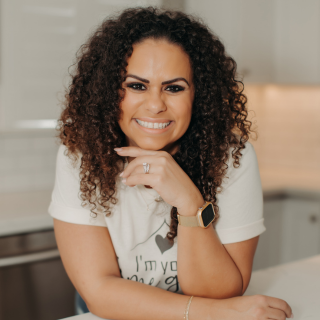
Heather Jones is a Corona, CA Realtor and digital listing specialist who helps homeowners sell their homes for top dollar and move into their next home with a clear, strategic plan. She specializes in working with growing families who are ready to move up from their first home into something that better fits their lifestyle. Known for her strong marketing and hands-on guidance, Heather helps her clients navigate every step of the process with confidence.
Heather Jones, Realtor®
Digital Listing Specialist | Master Certified Negotiation Expert
Heather Jones Homes | Brokered by eXp Realty of California, Inc.
DRE #02067219


