
How to Buy a Fixer‑Upper in Corona, CA: A Practical Buyer’s Guide
Quick answer: Yes — you can buy a fixer‑upper in Corona, CA, and finance the purchase plus renovations using programs like the FHA 203(k), Fannie Mae HomeStyle Renovation or Freddie Mac CHOICERenovation, but you must plan for Corona’s permit process, realistic contractor bids, inspection contingencies, and today’s mortgage‑rate environment (weekly averages shown below). Read on for a clear, Corona‑specific checklist and next steps.
What is a fixer‑upper (short answer)
A fixer‑upper is a property sold in its current condition that needs repairs, updates, or code corrections. In Corona, that can mean cosmetic work (kitchen, paint), mechanical systems (HVAC, water heater), or more serious structural or permit issues (unpermitted additions, roof or foundation repairs). The buyer’s job is to identify the risks, estimate repair cost accurately, and pick the financing and offer structure that protects the buyer while keeping the deal attractive to the seller.
Why buy a fixer‑upper in Corona right now
Local context matters. As reported in the Corona Market Snapshot for the late‑summer reporting period (Aug–Sep 2026), Corona was in a balanced market, so well‑priced, well‑presented homes moved quickly while properties needing work often sat longer. That can create opportunity: homes that need updating may face less competition and give buyers negotiating room — but borrowing costs remain a meaningful constraint. Freddie Mac’s weekly Primary Mortgage Market Survey showed a 30‑year fixed average near 7.4% for the week ending October 8, 2026, so budget for higher monthly payments when you calculate rehab affordability.
For a closer look at local market figures and timing, see the Corona Market Snapshot (September 2026) on Heather Jones Homes.
Financing options that cover purchase + rehab
1) FHA 203(k) — government‑insured rehab mortgage
The FHA 203(k) program lets qualified buyers finance the purchase and renovation with a single FHA loan. The program includes a Limited 203(k) for smaller projects and the Standard (or full) 203(k) for larger structural work. Expect additional paperwork (sometimes a HUD‑approved consultant is required for larger projects) and lender requirements. Use HUD resources to confirm current program limits and eligibility before assuming availability.
2) Fannie Mae HomeStyle Renovation
HomeStyle Renovation is a conventional option that allows renovation costs to be included in the loan based on the ‘as‑completed’ appraised value. It can be a good fit if you qualify for conventional underwriting and want more flexibility on project scope than FHA sometimes allows. Check Fannie Mae guidance and work with lenders experienced in HomeStyle loans.
3) Freddie Mac CHOICERenovation
CHOICERenovation is Freddie Mac’s renovation product and functions similarly to HomeStyle for qualifying conventional borrowers. If you have strong credit or a conventional down‑payment profile, this can offer competitive rates compared with FHA rehab loans.
4) Other options
Cash purchases, combination loans (purchase with a separate HELOC after closing), or private rehab financing are alternatives. Each has tradeoffs: cash simplifies approvals but ties up liquidity; HELOCs require qualifying after closing and can carry variable interest.
Permits & inspections in Corona: what to check first
If the property is inside Corona city limits, the City of Corona Building Division handles permits and plan checks. Before you buy:
Search permit history via Corona’s eTRAKiT portal to confirm whether prior work (additions, structural changes, pools) was permitted and finalized.
Order a full home inspection and specialty inspections as needed (roof, sewer, foundation, electrical, pool, termite). For major rehabs, a structural engineer evaluation can prevent costly surprises.
Be cautious with unpermitted work: lenders or appraisers may require corrections for financing; some permits can be closed after purchase but that can add time and cost.
Start permit checks early — they drive both cost and timeline. The City of Corona’s Building Division and eTRAKiT are the official sources for permit records.
Estimating rehab costs & contractor tips
Good budgeting starts with written bids and a realistic contingency. Practical steps:
Get at least two detailed contractor estimates that break out materials, labor, and a suggested timeline.
Include a 10–20% contingency for unexpected repairs (higher for older homes or properties with unknown wiring/plumbing).
Ask contractors about permit fees and timeline for inspections — delays or rework for unpermitted systems can be significant.
Use conservative cost assumptions when comparing purchase + rehab vs. turnkey homes; unexpected issues frequently increase total spend.
Offer strategies and contingencies for fixer‑uppers
Fixer‑uppers require a different offer playbook than move‑in‑ready homes:
Include an inspection contingency long enough to run specialty inspections and get a contractor estimate.
If using a renovation mortgage (203(k) or HomeStyle), ensure the purchase contract reflects the lender’s requirements for renovation scope and contractor selection.
Consider an escrow holdback when sellers must complete agreed repairs, or write a strong remediation list as part of negotiation.
Be prepared to negotiate on price, closing credits, or a seller contribution toward necessary repairs — but keep lender limits in mind (some loans restrict seller concessions or how funds can be used).
Timeline & practical checklist (Corona‑specific)
Short checklist to carry with you:
Get preapproved for the right rehab product (203(k) vs HomeStyle) — you’ll need lender signoff before finalizing offers.
Search permits on eTRAKiT for any major systems or additions.
Order a general home inspection and any specialty inspections found necessary.
Gather 2–3 contractor bids and set a realistic contingency budget.
If using 203(k), confirm HUD consultant requirements and timeline with your lender (HUD has program guidance and calculators available).
Structure offers with inspection contingencies and, if appropriate, appraisal‑gap language that matches your risk tolerance.
Next steps & consultation
If you’re serious about buying a fixer‑upper in Corona, the two most helpful first actions are: (1) speak with a lender experienced in renovation mortgages to compare FHA 203(k), HomeStyle and CHOICERenovation scenarios for your credit profile; and (2) get a professional inspection and permit search started before you make your highest bid.
For a no‑pressure consultation about search strategy, renovation financing options and neighborhood comparables in Corona, schedule a consultation with Heather Jones Homes: Request a consultation.
Related Articles
Frequently Asked Questions
Can I use an FHA 203(k) loan to buy a fixer‑upper in Corona?
Yes. The FHA 203(k) program allows buyers to finance purchase plus eligible rehabilitation work in one loan, though larger projects may require a HUD‑approved consultant and additional lender documentation.
How do I check whether work on a Corona house was permitted?
Search the City of Corona’s eTRAKiT permit portal or contact the City of Corona Building Division to pull the permit history and plan check records for the property.
Will an unpermitted addition block financing?
Unpermitted work can complicate appraisal and lender approval. Some lenders require corrections before closing or place escrow holdbacks until permits are closed. Always verify with your lender and the City of Corona early in due diligence.
Which renovation loan is faster: FHA 203(k) or HomeStyle?
Timing varies by lender and project scope. FHA 203(k) can require consultant oversight on complex projects, which may add time; HomeStyle or CHOICERenovation requires a lender experienced in Fannie/Freddie delivery rules. Talk to lenders about expected timelines for your specific project.
How much contingency should I budget for a Corona fixer‑upper?
Plan for at least a 10–20% contingency on top of contractor bids; older homes or properties with unknown systems may need a larger contingency to cover surprises discovered during rehab.
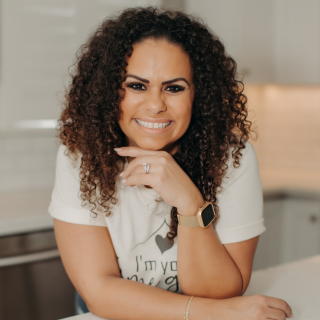
Heather Jones is a Corona, CA Realtor and digital listing specialist who helps homeowners sell their homes for top dollar and move into their next home with a clear, strategic plan. She specializes in working with growing families who are ready to move up from their first home into something that better fits their lifestyle. Known for her strong marketing and hands-on guidance, Heather helps her clients navigate every step of the process with confidence.
Heather Jones, Realtor, Digital Listing Specialist, Community Market Leader
Brokered by eXp Realty of California
DRE #02067219
661.607.6832


