
Buying a Home in Corona with a Pool: Buyer’s Guide 2026
Buying a Home in Corona with a Pool: Buyer’s Guide 2026
Why pools matter for Corona buyers
Permits, safety & disclosure (what California and Riverside County require)
Inspection checklist buyers should order
Insurance, underwriting & appraisal notes
Ongoing costs and realistic maintenance estimates
Negotiation strategies for pool homes
Do I need special homeowner’s insurance if the property has a pool?
Will an unpermitted pool block my loan or appraisal?
How much should I budget for pool maintenance?
What safety features does California law require?
Quick answer: Yes—you can buy a Corona home with a pool, but plan for extra inspections, Riverside County permitting and safety checks, potentially higher insurance underwriting, and ongoing maintenance costs. Read this Corona-focused guide (updated Oct 5, 2026) to avoid surprises and write a stronger offer.
Why pools matter for Corona buyers
Pools are a major lifestyle feature in Corona — they can make summer living, entertaining and resale appeal much stronger. But pools also add responsibilities and risk. For buyers the key questions are:
Is the pool permitted and code-compliant?
Does the pool have deferred maintenance or hidden repairs?
Will my homeowner’s insurance and lender accept the property as-is?
How much will the pool add to ongoing monthly costs?
Answering those questions early protects your offer and helps you decide whether a pool is a benefit or a costly burden for your household.
Permits, safety & disclosure (what California and Riverside County require)
California has specific laws about residential pools and safety features. As of Oct 5, 2026, California’s Swimming Pool Safety Act (Health and Safety Code §§115920–115929) requires new or remodeled private pools to include at least one approved isolation barrier and, for many projects, two listed drowning-prevention features. Approved options include a 60-inch pool enclosure meeting state specs or removable mesh fencing that meets ASTM F2286 standards paired with other safety devices. Local building departments may add requirements on top of state law.
Riverside County and the cities inside it (including Corona when applicable) require building permits for new inground pools and often require inspections and documentation before final approval. I recommend checking the local permit history for any pool you’re considering—county permit portals and the city building department records show whether a pool was permitted, which helps avoid costly retroactive compliance work.
If the seller is listing, California also added stronger disclosure and reporting expectations related to pools and safety features in recent years. When buying, demand permit records and documentation as part of your due diligence.
Inspection checklist buyers should order
Don’t assume a pool just “works.” At minimum, when a home has a pool you should include or budget for:
Pool-specific inspection — a certified pool/spa inspector will test equipment (pump, filter, heater), check the pool shell for cracks or leaks, evaluate coping and tile, and inspect electrical and gas connections.
Structural/soil review if you see major settling or large cracks near the pool—these can indicate movement that can be expensive to fix.
Equipment service records — ask for receipts or maintenance logs for pumps, heaters, salt systems, automatic covers and filtration replacements.
Fence and barrier verification — confirm gates are self-closing, latches meet code, and any barrier between house and pool complies with state specs.
Water chemistry and leak tests — unresolved water chemistry issues or hidden leaks raise red flags for plumbing and pool structure.
Include a clear contingency in your offer that allows you to review pool inspection findings and either negotiate repairs or walk away within the inspection period.
Insurance, underwriting & appraisal notes
Owning a pool can affect homeowner insurance underwriting and premiums. Insurers review factors like the presence of diving boards, slides, pool location, and safety barriers. Some carriers require higher liability limits or specific safety features to insure a property. The California Department of Insurance provides consumer guidance on property risks—check with potential carriers early (and note any policy exclusions or higher deductibles).
For appraisal and loan approval: pools can support value when well-maintained and appropriate for the neighborhood, but a poorly maintained or unpermitted pool can negatively affect appraisal and lender acceptance. If the pool is unpermitted, lenders may require escrow holdbacks, correction timelines, or even decline financing until compliance is resolved. That’s why permit checks and a pool inspection are part of smart buyer preparation.
Ongoing costs and realistic maintenance estimates
Pool upkeep in 2026 varies by size, equipment and whether you hire service help. National and industry data (checked Oct 5, 2026) show a typical range of roughly $80–$300 per month for routine service and chemicals, with higher-yearly totals once electricity for pumps, repairs, seasonal openings/closings and occasional equipment replacement are included.
Examples from recent industry surveys (2026): professional weekly service averages often fall between $100–$250/month depending on region and pool size; DIY owners may spend $30–$150/month on chemicals and supplies but still face occasional large repairs such as pump or heater replacement. Factor water costs, electricity and potential heater usage into your budget if you plan to heat the pool.
Negotiation strategies for pool homes
If the pool inspection or permit review raises concerns, you can negotiate several ways that don’t always mean reducing your target price:
Ask the seller to provide copies of permits and a stamped plan, or require them to close out any open permits before escrow.
Request a seller credit at closing for documented repairs (quoted by a licensed contractor) so you control the work after you own the property.
Offer contingencies that protect the buyer (pool inspection contingency, appraisal contingency tied to repair allowances).
If the pool is a strong value-add in the neighborhood, be mindful that buyers may pay a premium—balance emotional appeal with the inspection facts.
Final checklist & next steps
Before you write an offer: confirm permit status via the city/county portal and ask for maintenance records.
Include a pool-specific inspection contingency and budget an allowance for maintenance and possible repairs.
Contact insurance carriers early—find out if the pool affects eligibility or rates.
If you’re unsure about neighborhood norms or resale appeal, review local comparables for Corona neighborhoods (south vs north Corona often differ in buyer demand and price points). For broader buyer prep, see How Much Do You Need to Buy a Home in Corona, CA? and the Living in Corona, CA guide.
When you’re ready for local, no-pressure guidance, schedule a consultation at HeatherJonesHomes.com.
Frequently asked questions
Do I need special homeowner’s insurance if the property has a pool?
Possibly. Pools increase liability exposure and insurers may require higher liability limits or specific safety features. Get insurance quotes early and ask about any exclusions related to pools.
Will an unpermitted pool block my loan or appraisal?
An unpermitted pool can complicate appraisal and lending. Some lenders require permits to be closed or impose escrow holdbacks until work is brought into compliance. Check permit status before closing.
How much should I budget for pool maintenance?
Expect roughly $80–$300 per month for routine service and chemicals depending on size and service frequency, with occasional larger repair costs. Regional averages vary—plan an annual buffer for equipment replacement.
What safety features does California law require?
As of Oct 5, 2026, California’s Swimming Pool Safety Act requires approved isolation barriers and identifies multiple approved drowning-prevention features (see state guidance). Local jurisdictions may add rules—verify with the local building department.
Does a pool add value in Corona?
It depends. A well-maintained, permitted pool that matches the neighborhood’s standard can increase appeal and value; a neglected or unpermitted pool can reduce marketability and add costs.
Related Articles
What Are Mello-Roos Taxes and Do Corona, CA Homes Have Them?
The Best Neighborhoods in Corona, CA for Families (2026 Guide)
If you want personalized help evaluating a Corona listing with a pool, I’ll review permits, inspection items and insurance implications so you can make a confident offer. Book a no-pressure consultation at HeatherJonesHomes.com.
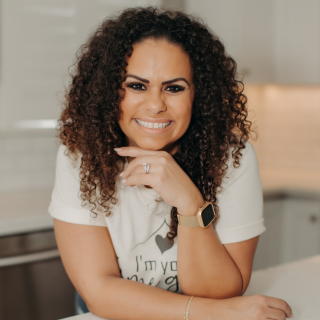
Heather Jones is a Corona, CA Realtor and digital listing specialist who helps homeowners sell their homes for top dollar and move into their next home with a clear, strategic plan. She specializes in working with growing families who are ready to move up from their first home into something that better fits their lifestyle. Known for her strong marketing and hands-on guidance, Heather helps her clients navigate every step of the process with confidence.
Heather Jones, Realtor, Digital Listing Specialist, Community Market Leader
Brokered by eXp Realty of California
DRE #02067219
661.607.6832


