
Rates Are High, But Corona Home Buyers Have Leverage in 2026
Rates Are High, But Buyers Have Leverage: What Corona Home Buyers Need to Know Right Now
Yes, Mortgage Rates Are High Right Now
High Rates Can Change the Negotiating Environment
What Does “Buyer Leverage” Actually Mean?
A Real Example: $35,000 in Seller Concessions
Seller Concessions Can Be More Valuable Than Buyers Realize
A Lower Purchase Price Isn’t Always the Only Goal
But Aren’t Home Prices Still High in California?
The Market Doesn’t Have to Be Perfect for the Deal to Make Sense
“Should I Just Wait Until Rates Come Down?”
What I Would Do Before Shopping for a Home in Corona Right Now
This Is Where Having the Right Negotiation Strategy Matters
So, Is Now a Good Time to Buy a Home in Corona?
Frequently Asked Questions About Buying a Home in Corona Right Now
Are sellers paying buyer closing costs in 2026?
Can a seller help lower my mortgage rate?
Is there less competition for homes in Corona right now?
Should I wait for mortgage rates to drop before buying?
If you’ve been thinking about buying a home in Corona, there’s a good chance you’ve looked at interest rates and thought, “Nope. I’m waiting.”
I get it.
Mortgage rates are high. Home prices are still high. And when you put those two things together, buying a home can feel a whole lot more expensive than it did a few years ago.
But there’s another side of this market that isn’t getting nearly as much attention:
Buyers have negotiating power again.
That doesn’t mean every seller is desperate. It doesn’t mean every home is going to sell below asking price. And it definitely doesn’t mean buying makes sense for everyone right now.
It means the conversation has changed.
A few years ago, buyers were asking:
How much over asking do we need to offer?
Should we waive the appraisal?
How many other offers are there?
Do we even have a chance of getting this house?
Today, I’m having very different conversations with buyers.
Can we negotiate the price?
Will the seller help with closing costs?
Can we ask for a credit to help buy down the interest rate?
Can we negotiate repairs?
Can we structure the offer in a way that makes the monthly payment work better?
And depending on the house and the seller, we may be able to do several of those things.
So if you’re sitting on the sidelines solely because you’ve heard that this is a “bad time to buy,” there’s more to the story.
If that’s the question you’re trying to answer, I also broke down whether 2026 is a good time to buy a home in Corona, including what buyers have working in their favor right now and when waiting may make more sense.
Yes, Mortgage Rates Are High Right Now
I’m not going to pretend rates aren’t an issue.
As of late September 2026, average mortgage rates are hovering around 7%, and that absolutely affects affordability and purchasing power.
Your interest rate directly affects your monthly mortgage payment. Even a relatively small change in the rate can make a noticeable difference in what you pay every month.
That’s why I want buyers to start with a payment they’re actually comfortable with, not simply the maximum amount a lender says they can borrow. I break that down further in my guide to how much home you can afford in Corona in 2026.
But here’s where I think buyers sometimes make a mistake:
They look at the interest rate as if it’s the only number that matters.
It isn’t.
The price you negotiate matters.
Your seller concessions matter.
Your closing costs matter.
Your rate-buydown strategy matters.
The condition of the property matters.
And perhaps most importantly, how much competition you have for the home matters.
That last piece can completely change what we’re able to negotiate.
VIDEO EMBED: This is where I would embed your “Can we talk about buying a house right now?” video where you discuss rates, prices and your recent buyer who received $35,000 in seller concessions.
High Rates Can Change the Negotiating Environment
Here’s the weird part about higher mortgage rates.
They hurt affordability, which obviously isn’t great for buyers.
But higher rates can also cause some potential buyers to stay on the sidelines.
And when there are fewer buyers competing for the same houses, the buyers who are still shopping may have more negotiating room.
California housing data has been showing increased inventory and longer market times in parts of the state, while buyers remain sensitive to borrowing costs.
That doesn’t mean every home is sitting.
It doesn’t mean competition has disappeared.
But it does mean we are no longer automatically operating in the market where every buyer has to throw everything they possibly can at a house just to have a chance.
That’s where today’s market gets interesting.
You may be paying a higher interest rate than you would have several years ago.
But you may also have negotiating opportunities that were practically nonexistent when rates were much lower and buyers were fighting over houses.
There is a trade-off.
What Does “Buyer Leverage” Actually Mean?
When I say buyers have more leverage, I’m not saying we can throw a ridiculous offer at every seller and expect them to take it.
That’s not how this works.
Buyer leverage simply means we may have more things to negotiate than buyers had when competition was extremely high.
Depending on the home, the seller and current competition, we may be able to negotiate:
Seller concessions toward closing costs
Credits that can potentially be used toward an interest-rate buydown, depending on loan guidelines
Purchase price
Repairs or credits in place of repairs
Closing timeline
Other terms that are important to the buyer
And there’s a lot more on the table than most buyers realize. I put together a full breakdown of what you can negotiate when buying a home in Corona because the purchase price is only one part of the deal.
This is exactly why I don’t want my buyers looking only at the list price of a house.
The terms of the deal matter too.
A Real Example: $35,000 in Seller Concessions
I recently closed a transaction where my buyer received $35,000 in seller concessions.
Yes, $35,000.
Those concessions helped with a rate buydown and closing costs.
Think about how different that buying conversation is from:
“How far over asking price do we need to go to beat the other 14 offers?”
Now, I want to be very clear here.
I am not saying every buyer is going to get $35,000 from a seller.
They aren’t.
Every property is different. Every seller’s motivation is different. Your loan type and lender guidelines matter. The home’s time on market matters. The amount of competition matters.
But this transaction is a perfect example of why I don’t think buyers should look at today’s mortgage rate and automatically decide buying can’t work.
Sometimes the opportunity is in how the deal is structured.
If you’re still trying to figure out what you actually need upfront for your down payment, closing costs and other expenses, start with my guide explaining how much you need to buy a home in Corona.
Knowing those numbers before we start negotiating makes it much easier to figure out where a seller credit could actually benefit you.
Seller Concessions Can Be More Valuable Than Buyers Realize
Let’s make seller concessions really simple.
A seller concession is when the seller agrees to contribute toward certain buyer costs as part of the transaction, subject to the buyer’s loan program and lender requirements.
Instead of only negotiating the purchase price, we might negotiate a credit that helps reduce some of the buyer’s upfront costs or potentially helps with an eligible mortgage-rate buydown.
Why would a seller agree to that?
Maybe the home has been sitting on the market.
Maybe they’ve already moved.
Maybe they’re purchasing another property and need this one sold.
Maybe they haven’t received another strong offer.
Maybe the property needs some work.
Or maybe keeping the purchase price where it is while giving the buyer a credit makes sense for both sides.
This is why I look at more than:
“What’s the lowest price we can get?”
Sometimes another term creates more immediate value for the buyer.
A Lower Purchase Price Isn’t Always the Only Goal
Let’s say you find a home in Corona and the seller is willing to negotiate.
Your first thought might be:
“Great. Let’s offer less.”
Maybe.
But before we decide that, I want to look at the entire picture with your lender.
Would a price reduction make the biggest difference?
Would a seller credit toward closing costs help you more?
Could an eligible seller-funded rate buydown create a better monthly payment?
How much cash do you want to keep after closing?
What does each option actually do to your payment?
Those are the conversations buyers should be having right now.
Not simply:
“Rates are around 7%, so I’m not buying.”
But Aren’t Home Prices Still High in California?
Yes.
Home prices are still high, especially here in Southern California.
We haven’t suddenly returned to 2019 prices.
But broad California numbers also don’t tell me everything I need to know about buying a particular home in Corona.
Corona is not every California market.
And even within Corona, the market can change based on neighborhood, price point, condition and available inventory.
That’s why I care much more about what’s happening with the homes you’re actually considering.
How many comparable homes are available?
How long has this particular home been listed?
Has the seller already reduced the price?
Did it previously fall out of escrow?
Are there competing offers?
How quickly are similar homes selling?
Those answers tell me far more about our negotiating position than a national headline does.
I recently broke down how competitive the Corona housing market actually is right now and what buyers should look at before deciding how aggressive an offer needs to be.
Because even in the same city, one house may give us a ton of negotiating room while another may still have multiple buyers fighting over it.
The Market Doesn’t Have to Be Perfect for the Deal to Make Sense
This is probably the biggest point I want buyers to understand.
There has never been a market where every part of buying a home was perfect.
When rates were extremely low, competition was intense.
Buyers regularly dealt with bidding wars and very limited negotiating power.
Now rates are higher, but the negotiating environment has changed.
Rates are high.
Buyer competition isn’t what it once was.
And some sellers are negotiating.
Pick your battle.
I don’t mean that as “buy a house no matter what.”
Not at all.
I mean understand the entire market before deciding that one part of it makes buying impossible.
“Should I Just Wait Until Rates Come Down?”
Maybe.
Waiting can absolutely be the right decision for some buyers.
But there’s another side of that conversation that I think buyers need to consider.
What happens if rates come down and a large number of the buyers who have also been waiting decide it’s finally time to start shopping?
We don’t know.
Nobody can tell you exactly what mortgage rates, home prices or buyer competition will look like six months or a year from now.
And I’m not interested in pretending we can perfectly predict it.
That’s why trying to perfectly time the market is so difficult.
I go deeper into that exact decision in Is 2026 a Good Time to Buy a Home in Corona?, including what buyers have working in their favor right now and when waiting may make more sense.
Instead, I would rather answer a different question:
Can we make buying work for you in the market we actually have today?
If the answer is no, we wait.
If the answer is yes, then we look at whether the right opportunity exists.
What I Would Do Before Shopping for a Home in Corona Right Now
Don’t start with scrolling through houses.
Start with the numbers.
Talk with a lender and find out what your payment actually looks like at today’s rate.
You also need to know the full amount you’ll need to get through the purchase, not just your down payment. My Corona home-buying cost breakdown covers closing costs, inspections, appraisal expenses and other costs buyers should prepare for.
Then we work backward.
What price range keeps the payment comfortable?
How much do you want to bring to closing?
What loan options make sense?
Would seller concessions help?
Would a rate buydown make a meaningful difference?
What happens to the payment if we negotiate the purchase price instead?
Once we know those numbers, then we shop.
Because now we’re not guessing.
We’re looking for homes where I see an opportunity to negotiate a deal that actually fits the plan.
This Is Where Having the Right Negotiation Strategy Matters
I don’t believe in writing the same offer on every house.
A home that listed yesterday and already has multiple offers needs a completely different strategy than a home that’s been sitting for 45 days.
A vacant home may have a different seller situation than an owner-occupied property.
A seller who has already purchased their next home may have different priorities than someone who doesn’t need to move.
That’s information we use.
Before my buyers write an offer, I want to understand as much as possible about the property, competition and seller situation.
Then we decide where it makes sense to push.
Price?
Credits?
Repairs?
Timing?
Closing costs?
Rate buydown?
Sometimes the best negotiation isn’t the one that makes the purchase price look the lowest on paper.
It’s the one that puts the buyer in the best overall financial position.
That’s exactly why I look beyond price when we write an offer. In What Can You Negotiate When Buying a Home in Corona?, I explain how credits, repairs, financing concessions, timing and other terms can all become part of the negotiation.
So, Is Now a Good Time to Buy a Home in Corona?
There isn’t one answer that applies to everybody.
If your payment would stretch you too thin, you don’t buy simply because there’s less competition.
If your finances aren’t ready, we create a plan first.
If the homes you want don't fit comfortably into your current budget, we don't force it.
But if your finances are stable, you’re planning to stay in the area, the payment works and we can negotiate favorable terms, today’s market may have opportunities that aren’t obvious from the headlines.
That’s why I don’t want buyers making their entire decision based on the mortgage rate.
Look at the whole deal.
The rate.
The price.
The competition.
The seller.
The concessions.
The terms.
And most importantly, what the actual monthly payment and upfront costs look like for you.
Frequently Asked Questions About Buying a Home in Corona Right Now
Are sellers paying buyer closing costs in 2026?
Some sellers are willing to contribute toward buyer closing costs, but seller concessions are negotiated and never guaranteed. How much can be contributed also depends on the buyer’s loan program, lender guidelines, property and terms of the transaction.
Can a seller help lower my mortgage rate?
In some transactions, seller concessions may be applied toward an eligible rate-buydown structure. The amount and structure depend on the buyer’s loan program and lender requirements. Your lender should calculate the options before we decide how to structure the offer.
Is there less competition for homes in Corona right now?
It depends on the property. Competition can change dramatically based on neighborhood, price point, condition and how the home is positioned. Some homes may still receive multiple offers while others may give buyers substantially more negotiating room.
Should I wait for mortgage rates to drop before buying?
That depends on your finances and your goals. A lower future rate could improve affordability, but we don’t know what future rates, prices or buyer competition will look like. Instead of guessing, I prefer to compare what buying looks like today with what would actually need to change for waiting to benefit you.
Can I refinance later if mortgage rates fall?
Potentially, but refinancing is never guaranteed. You’ll still need to qualify at that time, and refinancing typically comes with costs. I would never recommend buying a home today solely because you assume you’ll be able to refinance later.
Related Articles
Get the Next Step
If you’ve been thinking about buying in Corona, Eastvale, Norco or Riverside but today’s rates have you wondering whether buying even makes sense, let’s run the numbers before you count yourself out.
We can look at your price range, estimated monthly payment and the types of seller concessions or terms we may be able to negotiate in the current market.
You don’t need to be ready to write an offer.
You just need to know what your options actually look like.
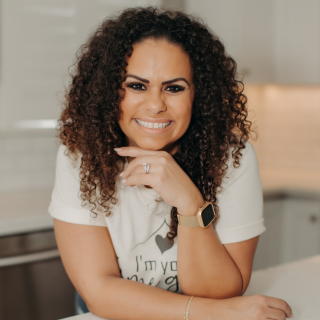
Heather Jones is a Corona, CA Realtor and digital listing specialist who helps homeowners sell their homes for top dollar and move into their next home with a clear, strategic plan. She specializes in working with growing families who are ready to move up from their first home into something that better fits their lifestyle. Known for her strong marketing and hands-on guidance, Heather helps her clients navigate every step of the process with confidence.
Heather Jones, Realtor, Digital Listing Specialist, Community Market Leader
Brokered by eXp Realty of California
DRE #02067219
661.607.6832


