
How Much Home Can You Afford in Corona, CA in 2026?
How Much Home Can You Afford in Corona, CA in 2026?
How Much Home Can You Afford in Corona, CA in 2026? (Real Numbers + Real Talk)
What “Affordability” Really Means
Why Your “Comfort Number” Matters More Than Your Approval Number
The 4 Parts of Your Monthly Payment
What Your Payment Feels Like at Different Price Points
A Real Example (Simple Breakdown)
How Interest Rates Change Your Buying Power
What Most Buyers Underestimate
Closing Costs and Upfront Expenses
How Your Lifestyle Impacts What You Can Afford
What Lenders Approve vs What You Should Spend
Debt-to-Income Ratio (Simplified)
How Corona’s Market Affects Affordability
Why Corona Is a Popular Choice for Move-Up Buyers
Renting vs Buying (What You Should Think About)
Short-Term vs Long-Term Thinking
Should You Put More Down or Keep Cash?
The Move-Up Factor (Selling + Buying)
Using Equity to Increase Your Buying Power
The Biggest Mistake Buyers Make When Thinking About Affordability
What Your Monthly Payment Looks Like in Real Life (Not Just on Paper)
A Simple Way to Pressure-Test Your Budget
Ready to Understand Your Buying Power?
What Most Buyers Wish They Knew Before They Started Looking
How much house can I afford in Corona, CA?
What is a typical monthly payment in Corona?
How much do I need for a down payment?
Are property taxes high in Corona?
What salary do you need to buy a home in Corona, CA?
How do I lower my monthly payment?
Is it better to buy now or wait?
How much should I have saved before buying?
If you’re thinking about buying a home in Corona, California, you’ve probably asked:
“How much can I actually afford?”
And here’s the truth:
Most people either:
overestimate what they can comfortably afford
orunderestimate what’s actually included in a monthly payment
Because it’s not just the price of the home.
It’s the full picture.
If you’re still trying to decide whether now is even the right time to make a move, start here first:
Should you sell your home in Corona right now or wait?
This guide breaks it down in a simple, honest way—so you can make a smart decision based on your real situation.
What “Affordability” Really Means
Affordability is not:
the max a lender approves you for
the highest price you can technically buy
It’s:
What fits your life comfortably month to month.
That includes:
your mortgage
your lifestyle
your long-term goals
Because being “approved” and being “comfortable” are two very different things.
Why Your “Comfort Number” Matters More Than Your Approval Number
One of the biggest mistakes buyers make is treating their approval amount like a target.
Just because a lender says you can afford a certain price point doesn’t mean you should.
Your comfort number is different.
It’s based on:
how you want to live
how much flexibility you want each month
your tolerance for financial stress
For example, two buyers with the same income may make completely different decisions.
One may be comfortable stretching their budget to get the exact home they want.
Another may prefer to stay well below their max to keep more breathing room.
Neither is wrong.
But if you skip this step and go straight to your max price, you risk putting yourself in a situation where your home feels like a burden instead of a benefit.
The 4 Parts of Your Monthly Payment
When you buy a home, your monthly cost is made up of more than just the loan.
1. Principal + Interest
This is your base mortgage payment.
It depends on:
loan amount
interest rate
loan term
2. Property Taxes
In Corona, property taxes are typically around:
👉 1.1%–1.3% (sometimes higher depending on area)
This is a big part of your payment.
3. Homeowners Insurance
This covers your property.
It varies, but you should always factor it in.
4. HOA (If Applicable)
Some neighborhoods include HOA fees.
These can range from:
low monthly fees
to higher dues depending on amenities
What Your Payment Feels Like at Different Price Points
Let’s simplify this even more.
Here’s how payments can shift as price increases:
$650K home → lower monthly, more flexibility
$750K home → moderate stretch for many buyers
$850K+ home → often requires strong income or dual earners
This isn’t exact—it depends on rates and down payment—but it gives you a realistic frame.
The key is understanding:
👉 each price jump impacts your monthly life, not just your loan.
A Real Example (Simple Breakdown)
Let’s make this real.
Example purchase:
$800,000 home
Estimated monthly breakdown:
Mortgage: ~$4,800–$5,200
Taxes: ~$750–$900
Insurance: ~$100–$200
HOA (if applicable): varies
👉 Total estimated payment: ~$5,700–$6,200/month
This is why looking at just the price doesn’t tell the full story.
How Interest Rates Change Your Buying Power
Interest rates don’t just affect your payment—they affect how much home you can afford.
Even a small rate change can mean:
hundreds more per month
or a lower price point to stay comfortable
That’s why timing the market perfectly is less important than:
👉 understanding your numbers and being ready when the right opportunity comes.
What Most Buyers Underestimate
This is where people get caught off guard.
Closing Costs and Upfront Expenses
Beyond your down payment, there are upfront costs buyers need to plan for.
These can include:
closing costs
appraisal and inspection fees
prepaid taxes and insurance
Many buyers underestimate this part.
And it can impact how much you have available for:
your down payment
reserves after closing
1. Property Taxes Add Up Fast
Buyers often focus on price—but taxes can add hundreds per month.
2. Interest Rate Impact
A small change in rate can shift your payment significantly.
3. Lifestyle Costs
Think beyond housing:
childcare
activities
commuting
savings
Your home should fit into your life—not take it over.
How Your Lifestyle Impacts What You Can Afford
Affordability isn’t just math—it’s lifestyle.
Ask yourself:
Do you travel often?
Do you have kids in sports or activities?
Do you want to keep saving aggressively?
All of these affect what you can comfortably afford.
A home that looks “affordable” on paper may feel very different once real life kicks in.
4. Maintenance and Upkeep
Owning a home comes with ongoing costs:
repairs
maintenance
unexpected expenses
What Lenders Approve vs What You Should Spend
Here’s where you need to be careful.
Lenders may approve you for more than you should realistically spend.
They’re looking at:
your income
your debt
But they’re not looking at:
your comfort level
your lifestyle
your future plans
That part is up to you.
Debt-to-Income Ratio (Simplified)
Lenders use something called a debt-to-income ratio to determine what you qualify for.
In simple terms:
👉 how much of your income is already committed to debt
This includes:
car payments
credit cards
student loans
The higher your existing debt, the lower your buying power.
This is why two buyers with the same income can qualify for very different home prices.
The “Comfort Range” Rule
Instead of asking:
“What’s the max I can afford?”
Ask:
“What monthly payment feels manageable long-term?”
Because that’s what actually matters.
How Corona’s Market Affects Affordability
Corona sits in a unique position.
Compared to:
Orange County, California
Los Angeles, California
You typically get:
more space
larger homes
more value for your budget
But affordability still depends on your situation.
If you’re comparing areas, this will help:
Eastvale vs Corona: which is better for your family?
Why Corona Is a Popular Choice for Move-Up Buyers
Many buyers in Corona are not first-time buyers—they’re moving up.
They’re coming from:
smaller homes
condos
townhomes
And they’re using equity to:
increase their budget
upgrade their lifestyle
If that’s your situation, your affordability may look very different than a first-time buyer.
Renting vs Buying (What You Should Think About)
Some buyers wonder if they should wait.
The real question is not just financial.
It’s also lifestyle.
Do you want stability?
Do you want to build equity?
Do you plan to stay for several years?
If you’re weighing this, you’ll want to read:
Is it better to rent or buy in Riverside County right now?
Short-Term vs Long-Term Thinking
Renting may feel more flexible in the short term.
Buying:
builds equity
provides stability
locks in your payment (outside of taxes/insurance changes)
The right decision depends on:
how long you plan to stay
your financial goals
your lifestyle
How Much Should You Put Down?
This depends on your loan type and goals.
Options may include:
lower down payment
higher down payment for lower monthly cost
There is no single “right” answer.
Should You Put More Down or Keep Cash?
This is a common question.
Putting more down can:
lower your monthly payment
reduce your loan amount
But keeping cash gives you:
flexibility
reserves
peace of mind
There’s no one-size-fits-all answer.
It depends on your priorities.
The Move-Up Factor (Selling + Buying)
Many buyers in Corona are also selling.
That changes everything.
If that’s your situation:
your equity becomes your buying power
timing matters
strategy matters
Start here:
How to sell and buy at the same time in Riverside County
Using Equity to Increase Your Buying Power
If you already own a home, your equity is a major factor.
It can:
increase your down payment
reduce your monthly payment
allow you to move into a higher price range
But it also introduces timing challenges—which is why planning matters.
Real-Life Scenario
A typical buyer in Corona might be:
moving from a condo or smaller home
needing more space
trying to balance budget with lifestyle
The decision becomes:
Not just “What can we afford?”
But
“What fits our life moving forward?”
The Biggest Mistake Buyers Make When Thinking About Affordability
The biggest mistake?
Focusing only on price.
Instead of asking:
“What can I afford?”
Ask:
“What payment works for my life long-term?”
That one shift changes everything.
What Your Monthly Payment Looks Like in Real Life (Not Just on Paper)
It’s one thing to see a number on a screen.
It’s another thing to live with that number every month.
Before you decide what you can afford, take a minute and walk through what your payment actually looks like in your real life.
Let’s say your monthly payment lands around $5,800.
Now ask yourself:
After paying that, how much do you have left each month?
Are you still able to save comfortably?
Can you handle unexpected expenses without stress?
Do you still have room for things like travel, activities, or just breathing room?
Because this is where the difference shows up.
Two buyers can have the same exact payment…
But one feels completely comfortable
And the other feels stretched every single month
The difference isn’t the math—it’s the margin.
That’s why the goal is not to “max out” your approval.
It’s to find a number that:
supports your lifestyle
gives you flexibility
still feels manageable long-term
A home should feel like a step forward.
Not something that quietly adds pressure every month.
A Simple Way to Pressure-Test Your Budget
Here’s a quick way to sanity check your numbers before you move forward.
Take your estimated monthly payment and ask:
“If this payment went up by $300–$500… would we still feel okay?”
Why this matters:
property taxes can adjust
insurance can increase
unexpected costs happen
If your budget only works at the exact number—and nowhere above it—that’s a sign you may be too tight.
But if you still feel comfortable with a little cushion, you’re likely in a much stronger position.
What This Means for You
If you’re thinking about buying:
Don’t focus only on price.
Focus on:
total monthly cost
your comfort level
your long-term plan
Because the right home should support your life—not stretch it too thin.
Ready to Understand Your Buying Power?
Before you start looking at homes, get clear on your numbers.
That’s what gives you confidence.
Get the Next Step → Let’s map out what makes sense for your situation.
What Most Buyers Wish They Knew Before They Started Looking
Looking back, many buyers say they wish they had:
understood their true budget earlier
focused on monthly payment instead of price
planned for all costs—not just the mortgage
Because once you have clarity, everything else becomes easier.
FREQUENTLY ASKED QUESTIONS
How much house can I afford in Corona, CA?
It depends on your income, debt, and comfort level—not just what a lender approves.
What is a typical monthly payment in Corona?
It varies, but many buyers fall between $5,000–$7,000/month depending on price and loan.
How much do I need for a down payment?
It depends on your loan, but there are options with lower down payments.
Are property taxes high in Corona?
They are moderate compared to other areas, but still a key part of your payment.
What salary do you need to buy a home in Corona, CA?
It depends on the price range, but many buyers are dual-income households or have strong individual income.
How do I lower my monthly payment?
You can adjust:
price
down payment
loan structure
Is it better to buy now or wait?
That depends on your situation, but timing the market is less important than being financially prepared.
How much should I have saved before buying?
You should account for:
down payment
closing costs
reserves
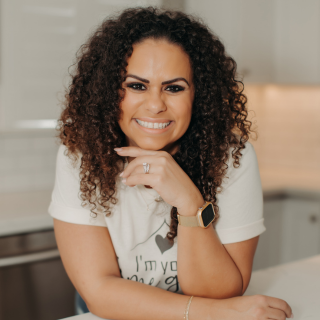
Heather Jones is a Corona, CA Realtor and digital listing specialist who helps homeowners sell their homes for top dollar and move into their next home with a clear, strategic plan. She specializes in working with growing families who are ready to move up from their first home into something that better fits their lifestyle. Known for her strong marketing and hands-on guidance, Heather helps her clients navigate every step of the process with confidence.
Heather Jones, Realtor, Digital Listing Specialist, Community Market Leader
Brokered by eXp Realty of California
DRE #02067219
661.607.6832