
What Happens After You Accept an Offer in Corona, CA (Step-by-Step Guide)
What Happens After You Accept an Offer in Corona, CA (Step-by-Step Guide)
What Escrow Really Means (In Plain English)
What your role is during escrow
Timeline Breakdown: What Happens Week-by-Week
Week 1: Inspections + Initial Activity
Week 2: Negotiations + Appraisal
Week 3: Loan Approval + Contingency Removal
Week 4: Final Steps + Closing Prep
How Inspection Negotiations Actually Work
After inspections, buyers may:
What happens if it comes in low
What Happens If the Appraisal Comes in Low
If the appraisal matches the purchase price
Option 1: Renegotiate the price
Option 2: Buyer covers the gap
Why Deals Fall Apart (and How to Avoid It)
The most common reasons deals fall apart:
This is why the upfront offer matters so much
What “Contingency Removal” Really Means for You
Once contingencies are removed:
Step 6: Final Walkthrough (What to Expect Before Closing)
What sellers need to do BEFORE the walkthrough
Pro tip most sellers don’t realize
What happens if there’s an issue?
Step 7: Closing Day (What Actually Happens)
What sellers should expect emotionally
Common last-minute questions sellers have
“What if something gets delayed?”
What Sellers Worry About (and shouldn’t)
What Can Go Wrong (and Why It Usually Doesn’t)
Here are the most common concerns:
What actually prevents problems
The biggest mistake sellers make here
Why the Right Guidance Makes All the Difference
This is where experience shows up
Frequently Asked Questions About Escrow in Corona, CA
Can a buyer back out after making an offer?
Do I have to fix everything the buyer asks for?
What happens if the buyer’s loan is denied?
Accepting an offer on your home is a big moment.
But for most sellers, the next thought is:
“What happens now?”
Because this is the part no one really explains clearly.
And when you don’t know what’s coming, it can feel stressful.
So let’s walk through it step-by-step—simple, clear, and exactly how it works here in California. If you’re still in the early stages of planning your sale, it also helps to understand the full breakdown of costs—here’s a clear look at how much it actually costs to sell a home in Corona, CA.
Step 1: You Open Escrow
Once the offer is accepted:
Escrow is opened
The buyer submits their deposit
The timeline officially begins
What escrow does
Escrow is a neutral third party that:
Holds funds
Manages documents
Ensures everything is completed properly
What Escrow Really Means (In Plain English)
A lot of sellers hear the word “escrow” and don’t fully understand what’s happening behind the scenes.
So let’s simplify it.
Escrow is essentially the middleman that makes sure:
The buyer does what they agreed to do
The seller does what they agreed to do
And the transaction closes correctly
Think of escrow like this:
Nobody gets:
The money
Or the house
Until ALL conditions are met.
Why this protects you
Escrow protects both sides by:
Holding the buyer’s deposit securely
Making sure documents are signed properly
Coordinating the timeline
What your role is during escrow
This is important—you’re not just “waiting.”
You’ll be:
Reviewing requests
Responding to negotiations
Staying on timeline
Timeline Breakdown: What Happens Week-by-Week
One of the biggest things sellers want to know is:
“How long does all of this actually take?”
While every transaction is different, most escrows in Corona follow a general timeline.
Week 1: Inspections + Initial Activity
This is the busiest week.
During this time:
Escrow is officially opened
Buyer submits their deposit
Inspections are scheduled and completed
This is when you’ll likely start seeing:
Buyer questions
Requests
Early negotiations
Week 2: Negotiations + Appraisal
This is where things start to take shape.
Inspection negotiations are finalized
The appraisal is completed
Buyer’s loan continues processing
This is often the most “active” phase of the transaction.
This is also where a lot of deals start to get off track—especially if sellers aren’t prepared for what buyers might ask for. I break this down further in the biggest mistakes Corona home sellers make (and how to avoid them).
Week 3: Loan Approval + Contingency Removal
Now things start to stabilize.
Buyer’s loan moves toward approval
Contingencies begin to be removed
The deal becomes much more solid
Week 4: Final Steps + Closing Prep
This is the final stretch.
Final walkthrough happens
Documents are signed
Funds are prepared
Closing is scheduled
Why this matters for sellers
Understanding the timeline helps you:
Stay prepared
Know what’s normal
Avoid unnecessary stress
Because when you know what’s coming, nothing feels unexpected.
Step 2: Buyer Inspections
This is one of the most important phases.
What happens
The buyer will typically schedule:
General home inspection
Termite inspection
Other specialized inspections if needed
What sellers need to expect
The buyer may come back with:
Repair requests
Credits
Renegotiation
How Inspection Negotiations Actually Work
This is one of the most misunderstood parts of the process.
Buyers don’t expect a perfect home.
But they do expect transparency and reasonable condition.
After inspections, buyers may:
Ask for repairs
Request a credit
Ask for a price reduction
What sellers need to know
You are NOT required to agree to everything.
This is a negotiation.
Example scenario:
Buyer asks for $10,000 in repairs.
You might:
Agree to some
Offer a credit instead
Or push back entirely
The key here
This is where strategy matters.
Because how you respond can:
Keep the deal moving
Or create friction
Step 3: Appraisal
If the buyer is financing, the lender will order an appraisal.
Purpose
To confirm the home’s value supports the purchase price.
What happens if it comes in low
This can lead to:
Renegotiation
Buyer covering difference
Adjustments to the deal
Understanding your home’s value upfront can help prevent surprises during this step—especially if an appraisal comes in lower than expected. Here’s a breakdown of what your Corona home is really worth in today’s market.
What Happens If the Appraisal Comes in Low
This is one of the biggest fears sellers have.
So let’s walk through it clearly.
If the appraisal matches the purchase price
Great—move forward.
If it comes in LOW
Now you have a few options:
Option 1: Renegotiate the price
The buyer may ask you to lower the price to match the appraisal.
Option 2: Buyer covers the gap
The buyer may choose to pay the difference out of pocket.
Option 3: Meet in the middle
You split the difference.
What determines the outcome?
Market conditions
Buyer motivation
How strong your position is
Step 4: Loan Approval
The buyer’s lender finalizes their loan.
What they review
Income
Credit
Property
Why this matters
No loan = no deal
Why Deals Fall Apart (and How to Avoid It)
This is the part most sellers worry about—but don’t fully understand.
The most common reasons deals fall apart:
Buyer financing issues
Appraisal gaps
Inspection disagreements
How to protect yourself
Strong buyer vetting upfront
Understanding the offer terms
Strategic negotiation
This is why the upfront offer matters so much
Not all offers are equal.
A higher price doesn’t always mean a better deal.
Step 5: Contingency Removal
Buyers will remove contingencies once they are satisfied.
Common contingencies
Inspection
Appraisal
Loan
What this means for you
The deal becomes much stronger once contingencies are removed.
What “Contingency Removal” Really Means for You
This is one of the most important milestones in your transaction.
Once contingencies are removed:
The buyer is:
Fully committed
Less likely to back out
What changes for you
Your deal becomes significantly more secure.
Why this matters
Before contingency removal:
👉 The deal can still fall apart more easily
After:
👉 You’re much closer to closing
Step 6: Final Walkthrough (What to Expect Before Closing)
The final walkthrough usually happens within 3–5 days before closing, and it’s the buyer’s last chance to confirm everything is as expected.
This is not another inspection.
It’s a verification step.
What the buyer is checking
During the walkthrough, the buyer is making sure:
The home is in the same condition as when they made the offer
Any agreed-upon repairs have been completed
Nothing has been removed that should have stayed
The property is clean and ready for transfer
Common things that come up
This is where small issues can surface, like:
Repairs not completed or done incorrectly
Items that were supposed to stay (like appliances) missing
Property not fully cleared out
Minor damage that happened during move-out
What sellers need to do BEFORE the walkthrough
This is key.
Make sure:
✔ All agreed repairs are completed
✔ The home is fully cleaned
✔ Personal items are removed (unless agreed otherwise)
✔ Trash and debris are gone
✔ Fixtures and included items remain in place
Pro tip most sellers don’t realize
Buyers are often emotional at this stage.
They’re about to close on a big purchase, and they’re paying attention to everything.
A clean, well-prepared home:
👉 Reinforces confidence
👉 Reduces last-minute stress
👉 Helps ensure a smooth closing
What happens if there’s an issue?
If something is off, the buyer may:
Request a credit
Ask for a repair to be completed
Delay closing until it’s resolved
Bottom line
The final walkthrough is your chance to:
👉 Finish strong
👉 Avoid last-minute issues
👉 Keep everything on track
At this stage, buyers are paying attention to every detail, which is why preparation matters so much. Here’s what they’re actually looking for in today’s market: what buyers are looking for in Corona homes right now.
Step 7: Closing Day (What Actually Happens)
Closing day is when everything becomes official—but there are a few moving parts most sellers don’t see.
Step 1: Signing documents
Before closing, you’ll sign your final paperwork.
This typically includes:
Closing statement
Transfer documents
Final disclosures
This can happen:
A few days before closing
Or sometimes the day of, depending on timing
Step 2: Buyer’s loan funds
If the buyer is financing, their lender will:
Finalize loan approval
Send funds to escrow
This is called:
👉 “Funding”
Step 3: Recording the sale
This is the moment everything becomes official.
The county records the transaction, and:
👉 Ownership legally transfers to the buyer
Step 4: You get paid
Once recording happens:
Escrow releases funds
Your proceeds are sent
This is usually:
Same day
Or within 24 hours
Step 5: Keys are delivered
Once everything is recorded and funded:
👉 The buyer gets the keys
👉 The transaction is complete
What sellers should expect emotionally
This is a big moment.
You may feel:
Relief
Excitement
A little bittersweet
Especially if you’ve lived in the home for a long time.
Common last-minute questions sellers have
“What if something gets delayed?”
Delays can happen, but most are:
Short
Manageable
Resolved quickly
“Do I need to be present?”
No—you typically don’t need to be physically present at closing.
“When should I move out?”
This depends on your agreement, but typically:
👉 Before or by closing day
Pro tips for a smooth closing
Don’t schedule movers too tight to closing
Stay flexible with timing
Keep communication open
Final thought on closing
Closing isn’t complicated—it just has a lot of steps.
And when you understand what’s happening, it removes the stress.
What Sellers Worry About (and shouldn’t)
Most sellers worry about:
The deal falling apart
Unexpected issues
What Can Go Wrong (and Why It Usually Doesn’t)
Let’s be real for a second.
This is the part most sellers are quietly thinking about.
“What if something goes wrong?”
Here are the most common concerns:
The buyer backs out
The appraisal comes in low
The loan falls through
Repairs become a bigger issue
Here’s the truth
Yes—those things can happen.
But they don’t happen nearly as often as people think, especially when:
The buyer is properly qualified
The offer is structured well
The process is managed correctly
What actually prevents problems
Strong upfront negotiation
Clear expectations
Staying ahead of each step
The biggest mistake sellers make here
They assume once they accept an offer:
👉 Everything is “locked in”
But really, this is a process that needs to be managed all the way through.
The good news
When everything is handled correctly:
Most transactions move forward smoothly and close without major issues.
The truth
With the right guidance:
You’ll know what’s coming
You’ll be prepared
And nothing feels like a surprise
Why the Right Guidance Makes All the Difference
At this stage, it’s not about listing your home anymore.
It’s about navigating the process.
Because once you’re in escrow:
Timing matters
Communication matters
Strategy matters
And small decisions can have a big impact on:
Your timeline
Your bottom line
Your stress level
This is where experience shows up
Not just in getting offers—but in:
Keeping deals together
Solving issues before they become problems
Guiding you through every step
Final Thought
The process is not complicated.
It’s just unfamiliar.
Frequently Asked Questions About Escrow in Corona, CA
How long does escrow take?
Most escrows in Corona last about 25–35 days, depending on financing and negotiations.
Can a buyer back out after making an offer?
Yes—but it depends on contingencies and timing.
Do I have to fix everything the buyer asks for?
No. All repair requests are negotiable.
What happens if the buyer’s loan is denied?
If the buyer cannot secure financing, the deal may fall apart unless alternative arrangements are made.
When do I get paid after closing?
Once the transaction records, funds are released—typically within 24–48 hours.
If you’re trying to plan your next move after closing, timing matters. Here’s a helpful breakdown of whether you should sell your Corona home first or buy first.
Get the Next Step
If you’re thinking about selling and want to understand exactly how this would look for you, I’ll walk you through it step-by-step.
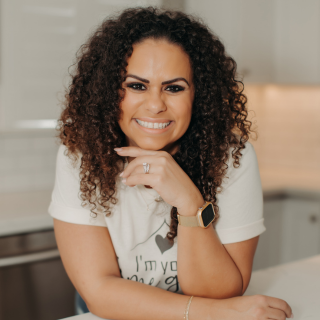
Heather Jones is a Corona, CA Realtor and digital listing specialist who helps homeowners sell their homes for top dollar and move into their next home with a clear, strategic plan. She specializes in working with growing families who are ready to move up from their first home into something that better fits their lifestyle. Known for her strong marketing and hands-on guidance, Heather helps her clients navigate every step of the process with confidence.
Heather Jones, Realtor, Digital Listing Specialist, Community Market Leader
Brokered by eXp Realty of California
DRE #02067219
661.607.6832