The Hidden Costs of Staying in a Home That No Longer Fits Your Family
The Hidden Costs of Staying in a Home That No Longer Fits Your Family
Most Families Don’t Notice the Shift Immediately
Many Families Keep Telling Themselves “We Can Make It Work”
The house no longer supports the way life actually operates
The Emotional Weight of Constant Clutter
Clutter impacts more than appearance
Small Frustrations Start Becoming Daily Problems
Daily Stress at Home Impacts More Than People Realize
Parents especially carry a heavy mental load
The home stops feeling restful
The Home Starts Working Against Your Lifestyle
Older Kids Change How Families Use Space
Families often underestimate how much “stuff” grows too
Hybrid Work Changed What Many Families Need
Homes Now Need to Function in More Ways Than Ever Before
Flexible spaces became much more important
Functional layouts matter more than ever
Sometimes Staying Feels “Cheaper” Until You Consider the Lifestyle Cost
The Mental Load Builds Quietly
Sometimes Families Don’t Realize How Stressed They Are Until They Experience Better Functionality
Better functionality creates emotional relief
Constant “micro stress” adds up
Families Often Start Dreaming About Simpler Daily Routines
Better Functionality Often Changes Daily Life More Than Buyers Expect
Examples families often notice immediately
Staying Is Not Automatically Wrong
Sometimes Families Stay Too Long Out of Fear
Questions Families Should Ask Themselves
How do I know if we’ve truly outgrown our home?
Should we renovate instead of move?
Is it normal to feel emotionally overwhelmed by your home?
Is moving always about wanting a bigger house?
Most Families Aren’t Looking for Luxury — They’re Looking for Relief
Sometimes Better Functionality Changes Family Life More Than People Expect
When people think about moving, they usually focus on:
Interest rates
Home prices
Monthly payments
Timing the market
But there’s another side of the conversation that many families don’t talk about enough:
👉 The cost of staying.
And not just financially.
Emotionally.
Mentally.
Functionally.
Because sometimes the home that once worked perfectly for your family…
slowly stops supporting the life you’re living now.
And over time, that can impact far more than square footage.
Most Families Don’t Notice the Shift Immediately
This usually happens gradually.
At first:
The house feels manageable
Storage feels tight but workable
Shared spaces feel temporary
Clutter feels controllable
But then life changes.
Kids get older.
Schedules become busier.
People spend more time at home.
Belongings increase.
Privacy becomes more important.
And suddenly:
👉 The home starts feeling harder to live in.
Many Families Keep Telling Themselves “We Can Make It Work”
This is one of the most common things I hear from homeowners.
At first, families usually try to solve the problem with:
Better organization
Storage bins
Furniture rearranging
Decluttering
Garage shelving
Temporary fixes
And honestly?
Sometimes those things help for a while.
But eventually many families realize:
👉 The issue is not organization anymore.
It’s functionality.
The house no longer supports the way life actually operates
This often happens gradually.
A layout that once felt:
Cozy
Efficient
Easy to maintain
may eventually start feeling:
Crowded
Loud
Chaotic
Constantly difficult to manage
Especially as:
Kids grow older
Schedules become more demanding
Families spend more time at home
This is especially common for homeowners researching what growing families wish they had in their next home.
The Emotional Weight of Constant Clutter
One of the biggest hidden stressors for families is:
👉 Constant visual overload.
When homes lack:
Storage
Functional layouts
Enough space
clutter tends to build faster.
And over time, that creates:
Stress
Mental fatigue
Constant cleanup cycles
Frustration
Especially for busy parents already juggling:
Work
Kids
School schedules
Sports
Everyday responsibilities
Clutter impacts more than appearance
This is important.
A constantly cluttered environment often makes people feel:
Mentally overwhelmed
Less productive
More stressed at home
Even if they don’t fully realize it yet.
This is also why many homeowners start researching 10 Things to Declutter Before Selling Your Corona Home.
Small Frustrations Start Becoming Daily Problems
This is how many families realize they may have outgrown their home.
Not through one giant moment…
but through repeated daily frustration.
Examples:
No space for backpacks
Sharing bathrooms constantly
Overflowing closets
No quiet work area
Toys taking over common spaces
Tight kitchens during busy mornings
Individually, these things may seem manageable.
But together?
They slowly increase stress levels inside the home.
Daily Stress at Home Impacts More Than People Realize
This is important because homes affect:
👉 Emotional wellbeing too.
When a home constantly feels:
Tight
Disorganized
Overstimulating
Hard to maintain
it can increase:
Stress levels
Irritability
Mental fatigue
Family tension
Even if people don’t fully connect the dots immediately.
Parents especially carry a heavy mental load
This is something many families quietly experience.
Parents are often trying to manage:
School schedules
Sports schedules
Meal prep
Work responsibilities
Laundry
Clutter
Organization systems
And when the home itself feels difficult to function in, it adds another layer of pressure every single day.
The home stops feeling restful
Instead of feeling like:
👉 A place to recharge
the home starts feeling like:
👉 Another source of stress.
And over time, that emotional weight becomes significant.
The Home Starts Working Against Your Lifestyle
This is the key shift.
At some point, many homeowners realize:
👉 The house is no longer supporting how their family actually lives.
Instead, they feel like they’re constantly trying to:
Work around the home
Reorganize the home
Force the home to function
And that becomes exhausting over time.
Privacy Starts Mattering More
As kids get older, privacy becomes much more important.
Families often begin wanting:
Separate bedrooms
Better bathroom separation
Quiet office space
More room for guests
Areas for downtime
And homes that once worked fine for younger children may suddenly feel:
👉 Too crowded.
Older Kids Change How Families Use Space
This is a HUGE transition point for many homeowners.
What worked perfectly with toddlers or elementary-age kids often feels very different once children become:
Teenagers
Student athletes
Drivers
More independent
Suddenly families start wanting:
More separation
Better privacy
Quiet spaces
Additional bathrooms
Larger common areas
because the way the household functions changes dramatically.
Families often underestimate how much “stuff” grows too
As kids get older:
Sports equipment grows
School needs grow
Electronics increase
Clothing increases
Storage needs multiply
And homes that once felt manageable begin feeling maxed out quickly.
This is one reason many homeowners begin researching the best move-up neighborhoods in Corona, CA for growing families. This is especially common for families realizing they’ve outgrown their current home in Corona, CA.
Hybrid Work Changed What Many Families Need
One of the biggest shifts over the last several years is how much time families now spend at home.
Homes now function as:
Offices
Study spaces
Workout areas
Entertainment spaces
Activity centers
And many homes simply were not designed for that level of daily use.
Homes Now Need to Function in More Ways Than Ever Before
A lot of older homes were designed around a very different lifestyle.
People primarily used homes for:
Sleeping
Eating
Relaxing in the evenings
Now homes often function as:
Offices
Classrooms
Workout areas
Entertainment spaces
Zoom meeting locations
Homework stations
And many families are realizing:
👉 Their current layout simply no longer supports modern life very well.
Flexible spaces became much more important
This is why buyers now heavily prioritize:
Bonus rooms
Lofts
Flex spaces
Home offices
Larger kitchens
Better separation between living areas
Because those spaces directly improve:
👉 Daily functionality.
Functional layouts matter more than ever
Families now prioritize:
Home offices
Bonus rooms
Better kitchen flow
More storage
Better separation between spaces
Because those features directly impact:
👉 Everyday stress levels.
Sometimes Staying Feels “Cheaper” Until You Consider the Lifestyle Cost
This is important.
Many homeowners stay because:
They have a low interest rate
Moving feels expensive
Change feels overwhelming
And those are valid concerns.
But sometimes families become so focused on:
👉 Protecting the current payment
that they stop evaluating whether:
👉 The home still supports their quality of life.
This is also why many homeowners start evaluating whether renovating their Corona home or moving makes more sense.
The Mental Load Builds Quietly
This part often gets overlooked.
Living in a home that constantly feels:
Tight
Cluttered
Overwhelming
Dysfunctional
creates a mental load many people carry every day.
Especially parents.
Sometimes Families Don’t Realize How Stressed They Are Until They Experience Better Functionality
This happens all the time after people move.
Families often tell me:
👉 “We didn’t realize how overwhelmed we felt in the old house until we left it.”
Not because the old house was bad.
But because:
The layout was difficult
The storage was limited
The routines were harder
The home required constant management
Better functionality creates emotional relief
This is one of the most underrated parts of moving up.
Families often notice:
Easier mornings
Less clutter buildup
Better organization
Calmer evenings
More personal space
Better routines
And those improvements impact daily life more than people expect.
Constant “micro stress” adds up
Things like:
Always cleaning
Constant reorganization
Lack of storage
Shared crowded areas
Noise overlap
can slowly make the home feel:
👉 More draining than relaxing.
And that emotional exhaustion is real.
Families Often Start Dreaming About Simpler Daily Routines
This is one of the biggest things I hear from move-up buyers.
Most are not searching for:
👉 Luxury.
They’re searching for:
👉 Easier living.
They want:
Better routines
More organization
Better flow
Less daily stress
More breathing room
And honestly?
Those are very reasonable goals.
Better Functionality Often Changes Daily Life More Than Buyers Expect
This surprises many families after they move.
It’s not always:
👉 “Wow, this house is huge.”
Instead it’s:
👉 “Life feels calmer here.”
Examples families often notice immediately
Better storage systems
Easier kitchen flow
Less clutter buildup
Better bedroom separation
More organized mornings
Easier entertaining
More quiet space
Those things dramatically impact:
👉 Quality of life.
This is one reason many families start exploring the best move-up neighborhoods in Corona, CA for growing families.
Staying Is Not Automatically Wrong
This is important too.
Not every family should move.
Sometimes:
Renovating makes sense
Reorganizing helps
Temporary adjustments work
But the key is honestly evaluating:
👉 Whether the home still realistically supports your next stage of life.
Sometimes Families Stay Too Long Out of Fear
This is another very common situation.
Families often delay making changes because:
Interest rates feel intimidating
Moving feels overwhelming
The process feels stressful
They’re emotionally attached to the home
They worry they’ll regret leaving
And those concerns are understandable.
But sometimes homeowners become so focused on:
👉 Avoiding change
that they stop evaluating:
👉 Whether the current home is still helping or hurting their quality of life.
This is also why many homeowners begin evaluating how much more house they can realistically afford when moving up in Corona, CA.
Questions Families Should Ask Themselves
Before deciding whether to stay or move, ask:
Does this home still function well for our routines?
Are we constantly stressed by the layout?
Are we emotionally attached to the payment more than the home itself?
Would better functionality improve our daily quality of life?
Are we solving temporary problems or long-term ones?
Frequently Asked Questions
How do I know if we’ve truly outgrown our home?
Usually when the home consistently creates stress, clutter, lack of functionality, or daily frustration.
Should we renovate instead of move?
Sometimes yes. It depends whether the current home can realistically support your long-term needs.
Is it normal to feel emotionally overwhelmed by your home?
Absolutely. Homes heavily impact stress levels, routines, and mental load—especially for busy families.
Is moving always about wanting a bigger house?
Not necessarily. Many families simply want better functionality and less daily stress.
Related Articles
Most Families Aren’t Looking for Luxury — They’re Looking for Relief
This is probably the most important part of all.
Most move-up buyers are not trying to:
Show off
Buy a mansion
Impress people
They simply want:
Better routines
Better organization
More functionality
Less daily stress
More breathing room
And honestly?
That’s a very reasonable reason to move.
Sometimes Better Functionality Changes Family Life More Than People Expect
The right home often improves:
Morning routines
Family interaction
Organization
Stress levels
Privacy
Overall comfort
Not because the home is “perfect.”
But because it finally supports:
👉 The way the family actually lives now.
Final Thought
Sometimes the biggest cost of staying in a home that no longer fits your family is not financial.
It’s the slow buildup of:
Stress
Clutter
Frustration
Daily dysfunction
And often, families are not searching for “more.”
They’re searching for:
👉 A home that makes life feel easier again.
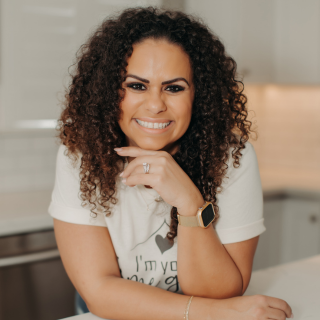
Heather Jones is a Corona, CA Realtor and digital listing specialist who helps homeowners sell their homes for top dollar and move into their next home with a clear, strategic plan. She specializes in working with growing families who are ready to move up from their first home into something that better fits their lifestyle. Known for her strong marketing and hands-on guidance, Heather helps her clients navigate every step of the process with confidence.
Heather Jones, Realtor, Digital Listing Specialist, Community Market Leader
Brokered by eXp Realty of California
DRE #02067219
661.607.6832